 Madagascar
Discover Madagascar
Explore Madagascar, a truly unique island nation renowned as a living laboratory of natural history, boasting an extraordinary concentration of endemic wildlife found nowhere else on Earth, including its iconic lemurs. From the towering baobab trees and vast spiny deserts to lush rainforests and pristine beaches, Madagascar offers an adventurous and unforgettable journey into an unparalleled world of biodiversity and vibrant Malagasy culture.
The Malagasy people are the vibrant heart of Madagascar, renowned for their warmth, deep reverence for ancestors (Fady), and spirit of hospitality known as Fihavanana, which emphasizes kinship and mutual support. Visitors are often struck by the genuine smiles and resilient nature of the Malagasy, who maintain a rich tapestry of distinct ethnic cultures and traditions across the island. Their gentle grace and willingness to share their unique way of life make every encounter a memorable and heartwarming connection.
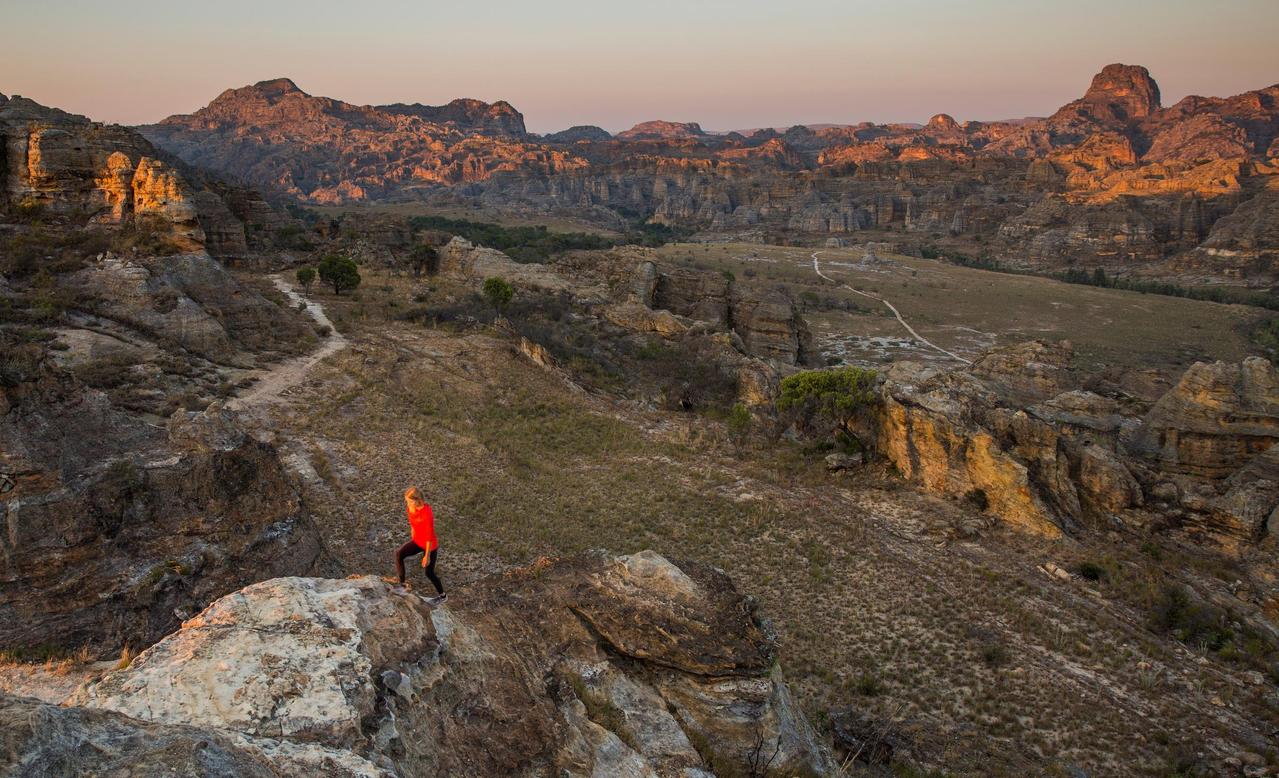
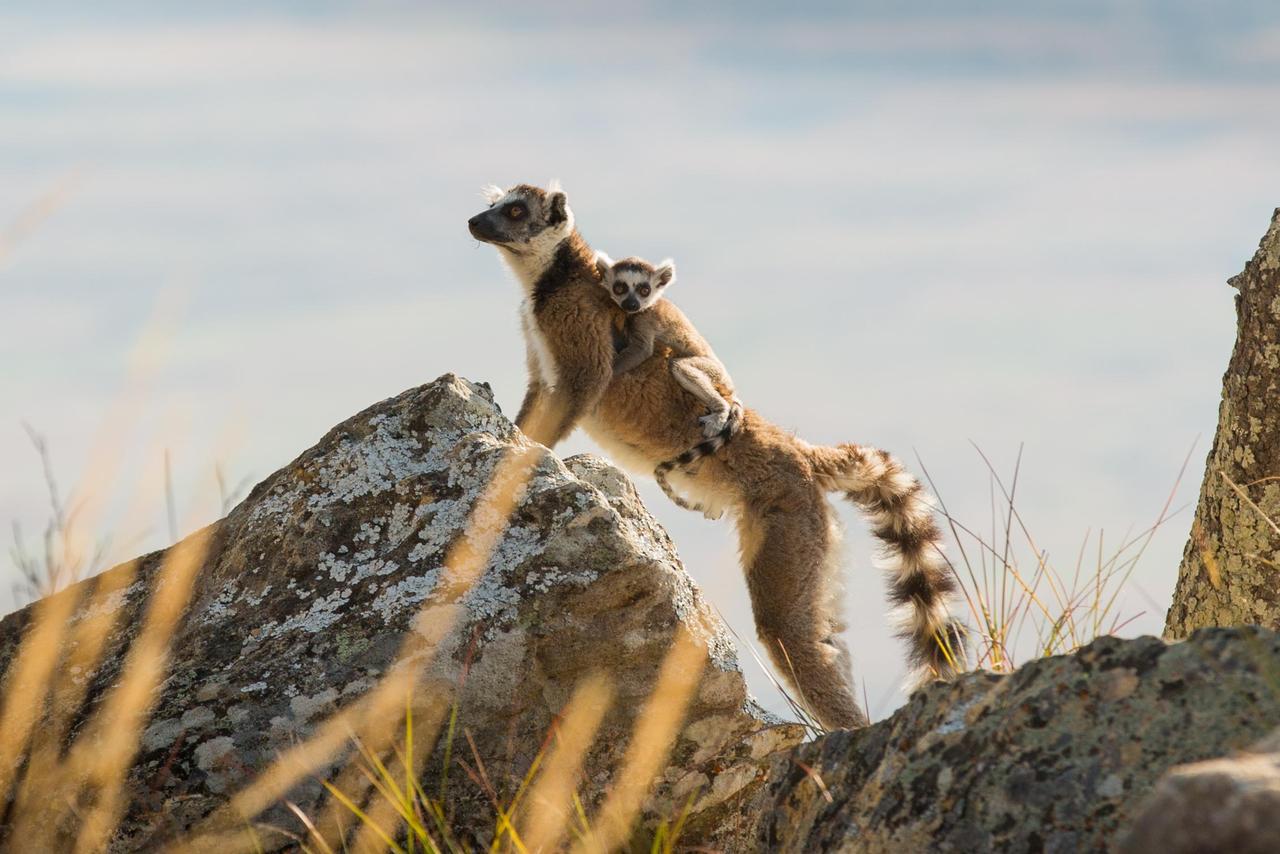
Embark on an epic adventure across Madagascar, an island unlike any other, where the wonders of evolution have created surreal landscapes and unique ecosystems. Trek through the dense, emerald rainforests of Ranomafana and Andasibe, where you can witness the playful antics of over 100 species of lemurs—from the tiny mouse lemur to the iconic ring-tailed lemur—in their natural habitat. Journey to the dramatic Tsingy de Bemaraha National Park, a UNESCO World Heritage site, and navigate its razor-sharp limestone karst pinnacles via thrilling suspension bridges, offering an exhilarating challenge and breathtaking views.
Experience the magic of the Avenue of the Baobabs at sunset, where these majestic, ancient trees create an unforgettable photographic moment. For the coastal explorer, dive and snorkel the pristine coral reefs along the coast, or relax on the deserted beaches of Nosy Be. Whether you are climbing the rugged mountains, exploring the spiny deserts, or encountering chameleons and fossas, Madagascar offers a profound and exhilarating journey into a world of unparalleled biodiversity and natural splendor.
Madagascar
Madagascar quick facts
- Island Status: Fourth-largest island in the world
- Endemic Species: Over 90% of its wildlife is found nowhere else on Earth
- Iconic Animal: Home to all species of lemurs
- Unique Trees: Famous for its towering baobab trees
- Largest Predator: The fossa, a cat-like mammal
- Capital City: Antananarivo
- Local Hospitality Concept: Fihavanana, emphasizing kinship and mutual support
- Largest Mountain: Maromokotro
- Global Hotspot: Considered a major biodiversity hotspot
- Colonial Language: French is widely spoken due to colonial history
- National Dish: Romazava (a meat and green leafy vegetable stew)
- UNESCO Site Highlight: Tsingy de Bemaraha, a forest of limestone pinnacles
Faq’s
What is the best time to visit Madagascar?
The best time to visit is during the dry season, generally from April to October.
What is Madagascar most famous for?
It is most famous for its unique endemic wildlife, especially the lemurs and baobab trees, found nowhere else on Earth.
Do I need a visa to enter Madagascar?
Yes, most visitors need a visa, which can usually be obtained upon arrival at the international airport.
Is it safe to drink the tap water?
No, it is generally recommended to only drink bottled or purified water.
What is the local hospitality concept?
The concept is Fihavanana, which emphasizes kinship, community, and mutual support.
What is the capital city of Madagascar?
The capital city is Antananarivo.
What is the largest predator on the island?
The largest predator is the fossa, a unique cat-like mammal endemic to Madagascar.
What is the famous stone forest in Madagascar?
The famous stone forest is the Tsingy de Bemaraha National Park, a UNESCO World Heritage site known for its sharp limestone pinnacles.
Follow us @ExploreTan