 Chile
ChileDiscover Chile
Discover Chile, the captivating ribbon of land stretching along South America's Pacific coast, offering an astonishing diversity of landscapes from the driest desert on Earth, the Atacama, to the magnificent glaciers and peaks of Patagonia. Explore the cosmopolitan heart of Santiago, taste world-class wines in the central valleys, and immerse yourself in the unique culture that bridges Andean tradition with European influence. Chile promises an unforgettable adventure through extremes, making it a truly unique destination for every kind of traveler.
The heart of Chile lies in the spirit of its people—a resilient, passionate, and deeply welcoming population whose warmth mirrors the diversity of their landscapes. Shaped by the mighty Andes and the vast Pacific, Chileans possess a blend of European sophistication and Andean hardiness, expressed through a passionate pride in their traditions, especially their vibrant culture and world-renowned wines. Visitors are often embraced with genuine hospitality, finding connection through shared conversations, the rhythm of a Cueca dance, or the simple, unforgettable generosity offered around a family table.
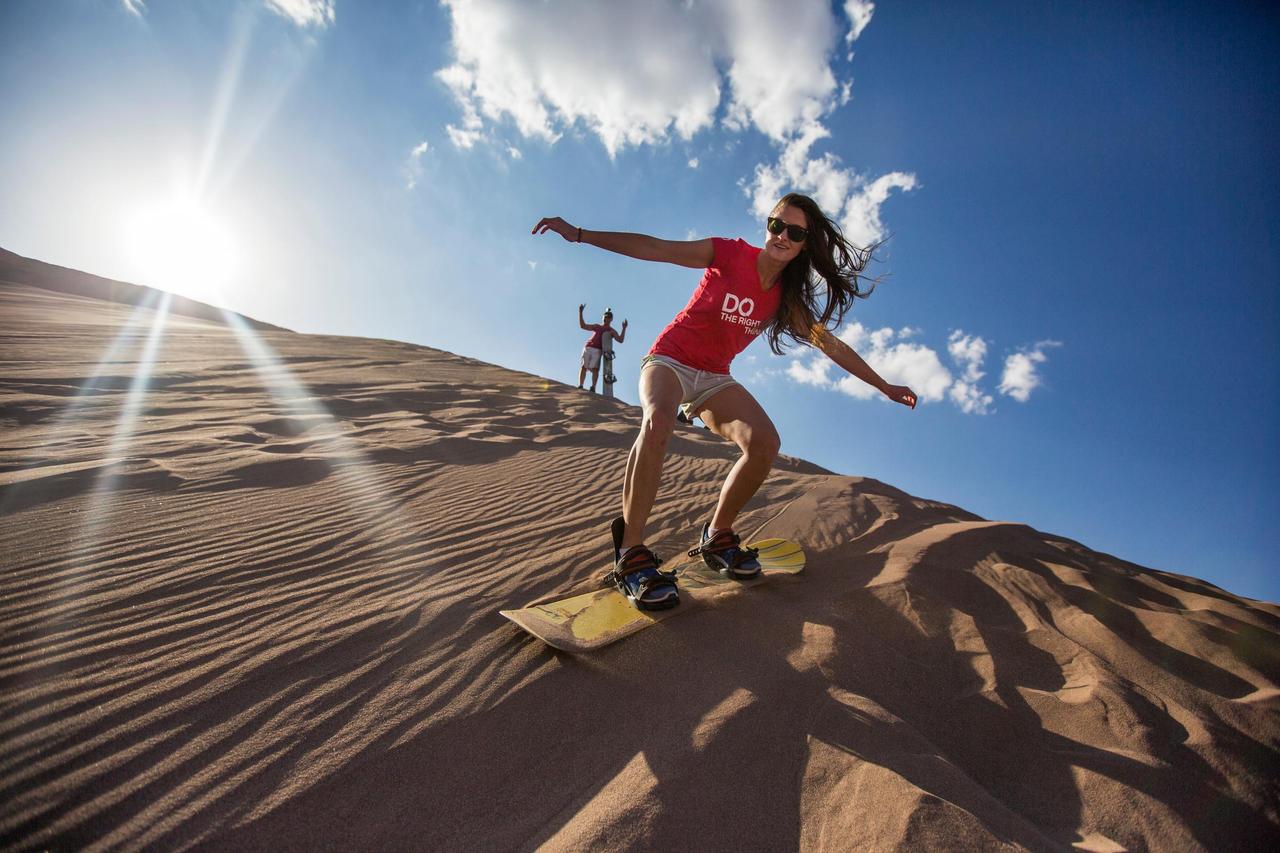
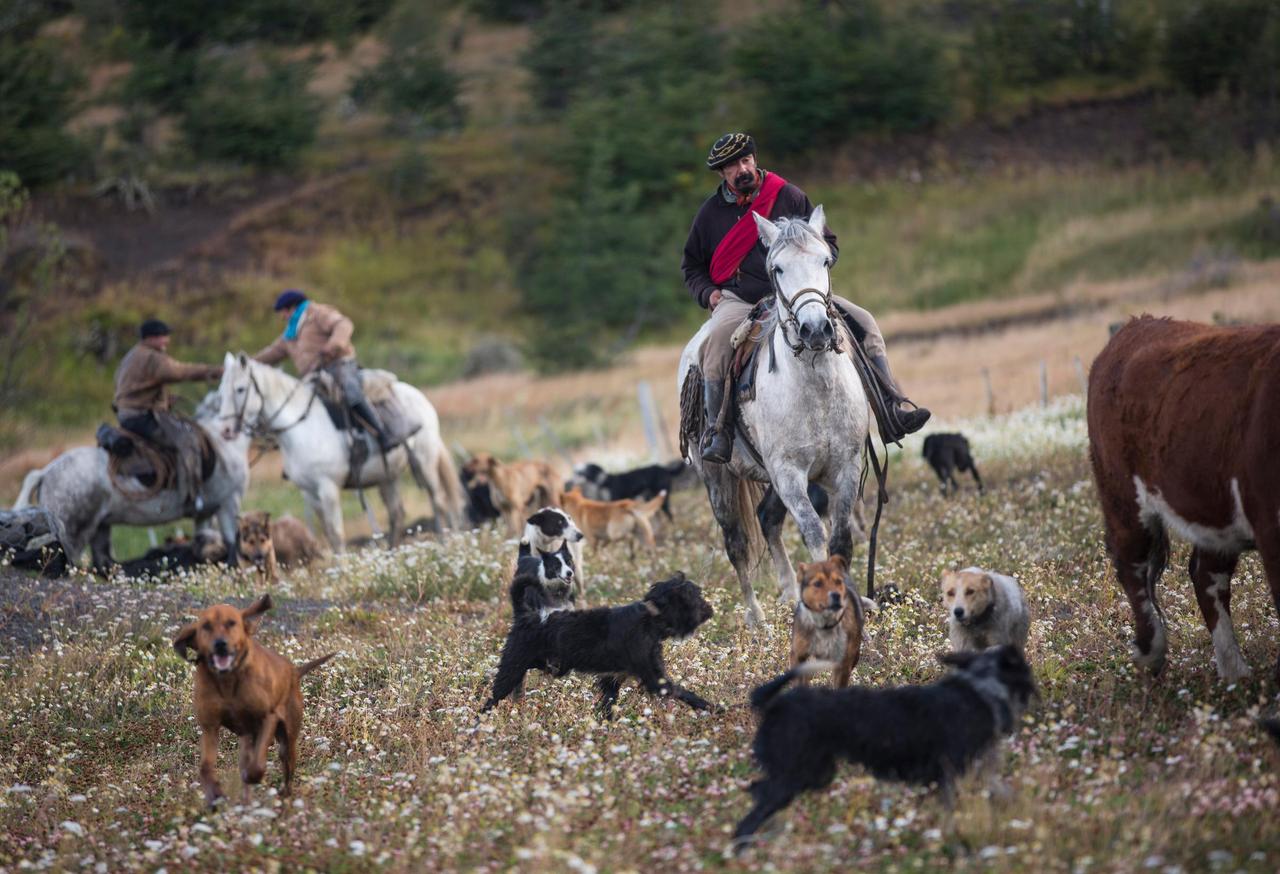
Chile offers a staggering range of adventures across its unique geography, inviting travelers to explore a land of extremes. Begin in the north, where the Atacama Desert, the world's driest, presents otherworldly landscapes perfect for stargazing and exploring geothermal wonders like the El Tatio geysers at dawn. Journey south to the rugged, breathtaking peaks and turquoise lakes of Patagonia, where world-class hiking trails await in Torres del Paine National Park, challenging adventurers to witness colossal granite towers and magnificent glaciers such as Grey Glacier. Between these extremes, you can explore the sophisticated capital of Santiago, take a boat trip through the Chilean fjords, or visit the wine valleys for a taste of Carmenère amid rolling hills. From surfing the Pacific coast to skiing the Andes and delving into the ancient mysteries of Easter Island's Moai statues, Chile provides a tapestry of exhilarating experiences and natural wonders that promise an unforgettable journey.
Chile
Chile quick facts
- Longest Country: Chile is the world's longest country, stretching approximately 2,670 miles (4,300 km) long, but only 217 miles (350 km) wide at its broadest point
- Driest Place on Earth: The Atacama Desert is the driest non-polar desert in the world, with some areas having virtually no rainfall ever recorded
- Highest Volcano: Ojos del Salado, on the border with Argentina, is the world's highest active volcano and the second-highest peak in the Andes
- South America's Tallest Building: The Gran Torre Santiago is the tallest building in South America
- Birthplace of Moai: The mysterious Moai statues are located on Easter Island (Rapa Nui), which is a special territory of Chile
- World Capital of Astronomy: Chile's clear skies, especially in the north, make it home to about 70% of the world's astronomical observation infrastructure
- Chilean Wine: Chile is one of the world's largest wine producers and is famed for the Carmenère grape, once thought extinct
- Geothermal Wonders: The El Tatio Geysers are the largest geyser field in the Southern Hemisphere and the third largest in the world
- Patagonia's Wonders: Torres del Paine National Park in Chilean Patagonia is a globally recognized trekking destination known for its granite towers and glaciers
- National Dance: The Cueca is the traditional folk dance of Chile, often referred to as the 'dance of the courtship'
- UNESCO Heritage: The historic quarter of the port city of Valparaíso is a UNESCO World Heritage site known for its colorful hills and funiculars
- Pacific Coastline: Chile has over 4,000 miles (6,435 km) of coastline along the Pacific Ocean
Faq’s
Is Chile safe for tourists?
Yes, Chile is generally considered one of the safest countries in South America, especially in tourist areas, though standard precautions against petty theft should be taken.
What is the best time to visit Patagonia in Chile?
The best time to visit Chilean Patagonia (Torres del Paine) is during the summer months, from November to early March, when the weather is mild and daylight hours are long.
Do I need a visa to enter Chile?
Most visitors from North America, Europe, and Australia do not require a visa for stays up to 90 days, but some nationalities need to pay a reciprocity fee upon arrival.
What language is spoken in Chile?
The official language is Spanish, specifically Chilean Spanish, which has distinct vocabulary and pronunciation.
Is it safe to drink the tap water in Santiago?
Yes, tap water in major cities like Santiago is generally safe to drink, unlike in many other Latin American countries.
What is Easter Island and how do I get there?
Easter Island (Rapa Nui) is a special territory of Chile famous for its Moai statues. It is accessible via direct flights from Santiago.
How can I see the Atacama Desert's geysers?
The El Tatio Geysers are best visited at dawn when the contrast between the cold air and the hot steam creates the most spectacular display. Tours typically depart very early in the morning.
What is the national drink of Chile?
The Pisco Sour, an alcoholic cocktail made with Pisco (a grape brandy), is considered the national drink, though the Chilean version differs from the Peruvian one.
Follow us @ExploreTan