 Arctic
Discover Arctic
Embark on a journey to the Arctic, a vast and magnificent realm defined by dazzling ice, dramatic landscapes, and the ethereal beauty of the Midnight Sun and the Northern Lights. This pristine wilderness offers adventurers an encounter with incredible wildlife—polar bears, Arctic foxes, and whales—and a chance to experience the unique cultures of its indigenous communities. Travel to the Arctic for an unforgettable expedition to the planet's remote, breathtaking north.
The heart of the Arctic beats with the resilience and deep cultural heritage of its Indigenous Peoples, including the Inuit, Sámi, Chukchi, and others. For millennia, these communities have thrived in one of the planet's harshest environments, forging an unbreakable connection to the land and sea. Their innate wisdom, passed down through generations, is defined by respect for nature and a communal spirit. Visitors are often deeply moved by the quiet strength, warm hospitality, and enduring traditions of the Arctic people, who welcome outsiders to experience their unique way of life and share their profound knowledge of this magnificent, icy world.
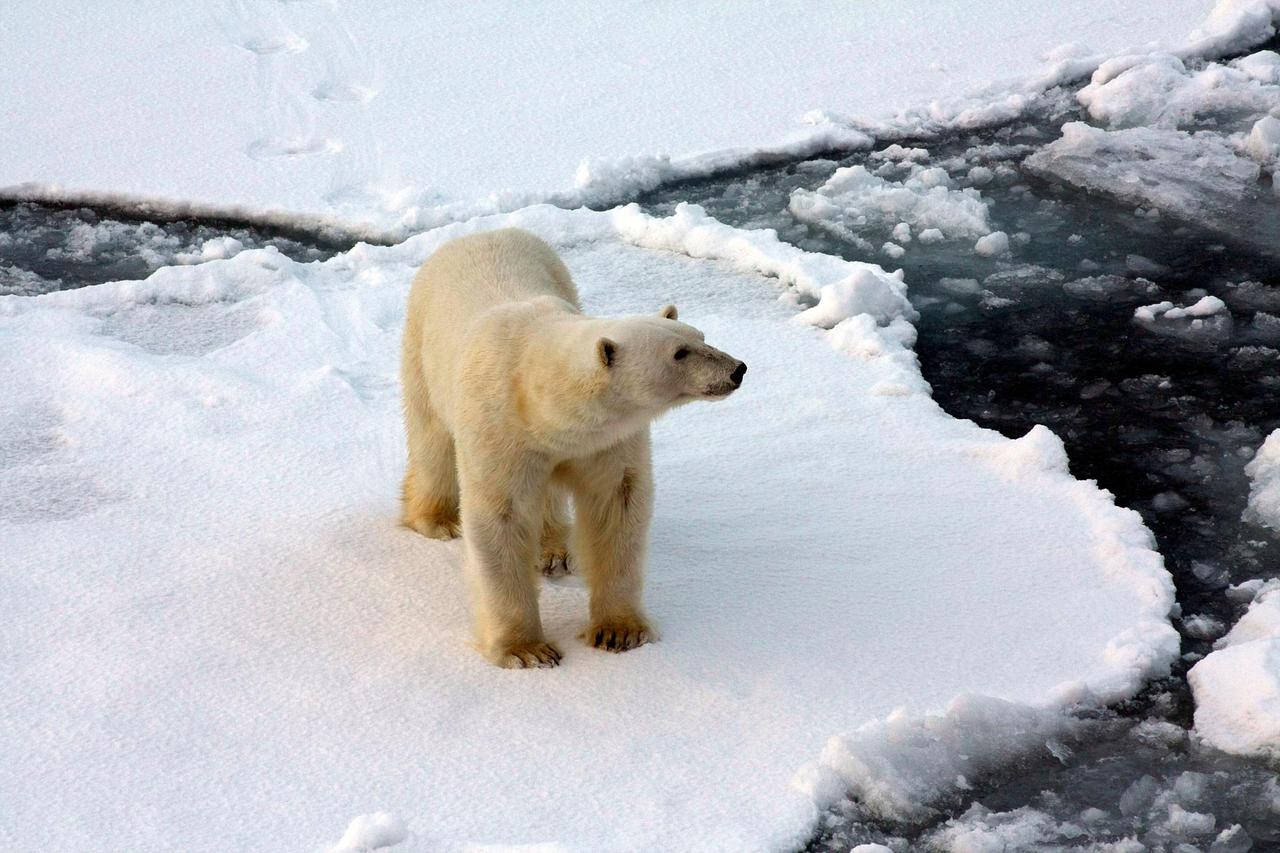
The Arctic presents an expedition into one of the planet's last true wildernesses, offering adventures and wonders unlike any other. Imagine sailing through fjords carved by colossal glaciers, where towering icebergs drift silently, and the air is crisp with the scent of the sea. Seek out the iconic wildlife, from the majestic polar bear roaming the ice floes to the elusive Arctic fox and the massive, gentle bowhead and beluga whales breaching the frigid waters.
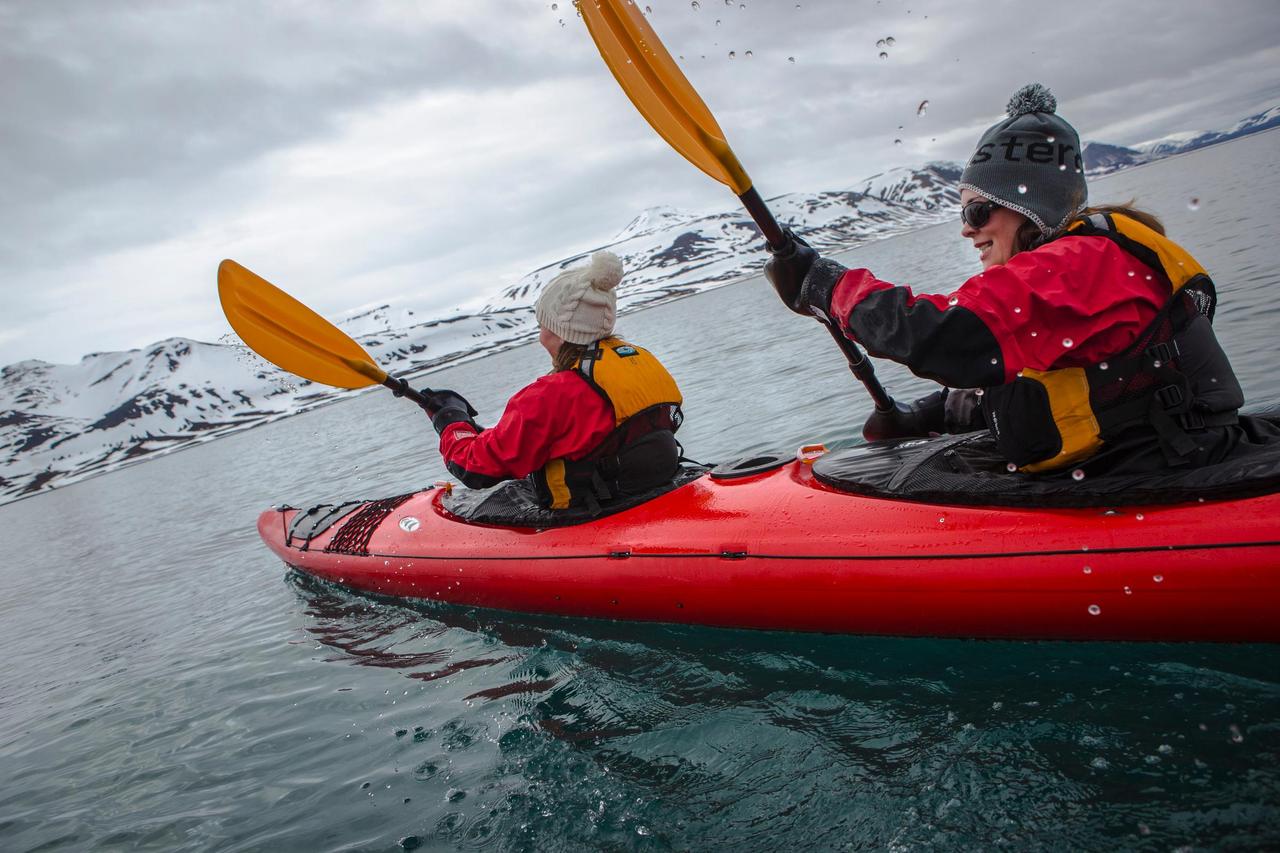
Experience the ethereal magic of the Northern Lights dancing across the pitch-black sky during the winter months, or revel in the continuous daylight of the Midnight Sun during the summer, enabling endless exploration. Adventure awaits in the form of dog sledding across the vast tundra, snowmobiling over frozen landscapes, or kayak excursions among the ice, providing a deeply immersive and unforgettable connection to this magnificent, remote environment.
Arctic
Arctic quick facts
- Polar Bears: The Arctic is the only place in the world where polar bears live in the wild.
- Ice Cap: Most of the Arctic is covered by the Arctic Ocean, which is largely covered by a thick, perennial sea ice cap.
- Northern Lights: The Aurora Borealis, or Northern Lights, is a dazzling natural light display frequently visible within the Arctic Circle.
- Midnight Sun: During the summer, the Arctic experiences the Midnight Sun, where the sun remains visible for 24 hours a day.
- Indigenous People: Home to numerous Indigenous Peoples, including the Inuit and Sámi, who have adapted to the harsh environment for thousands of years.
- Arctic Circle: The Arctic is defined by the Arctic Circle (approximately 66.5° N latitude).
- Global Warming: The Arctic is warming at a rate significantly faster than the global average, leading to rapid sea ice loss.
- Tundra: The land masses surrounding the Arctic Ocean are dominated by Tundra, a treeless region where permafrost is present.
- Karakoram Anomaly: Some regions, like the Karakoram Mountains in the Arctic, occasionally show slight cooling or stable ice mass despite the overall global warming trend.
- North Pole: The geographic North Pole is located in the middle of the Arctic Ocean.
- Arctic Foxes: Arctic foxes can survive temperatures as low as -50°C (-58°F) thanks to their dense fur.
- Eight Countries: The Arctic region is claimed by or borders eight countries: Canada, Greenland (Denmark), Iceland, Norway, Sweden, Finland, Russia, and the United States (Alaska).
Faq’s
What is the best time to visit the Arctic?
The best time depends on what you want to see. May-July offers the Midnight Sun and wildlife viewing (like polar bears and migrating birds), while October-March is best for viewing the Northern Lights (Aurora Borealis).
Is it safe to travel to the Arctic?
Yes, when traveling with reputable expedition companies. They prioritize safety in dealing with extreme weather, wildlife encounters (especially polar bears), and remote conditions.
What kind of wildlife can I see in the Arctic?
Iconic Arctic wildlife includes polar bears, various species of seals, walruses, whales (like beluga and bowhead), Arctic foxes, reindeer/caribou, and numerous seabirds.
What should I pack for an Arctic trip?
Layers are essential. Pack thermal base layers, fleece mid-layers, waterproof and windproof outer layers, warm hats, gloves/mittens, and waterproof boots. Most expeditions provide a heavy outer parka.
What is the difference between the Arctic and Antarctica?
The Arctic is an ocean surrounded by continents, inhabited by Indigenous Peoples, and home to polar bears. Antarctica is a continent surrounded by ocean, uninhabited by permanent residents, and home to penguins.
What is the Arctic Circle?
The Arctic Circle is a line of latitude (approximately 66.5° N) where on one day of the year (the Summer Solstice), the sun remains above the horizon for 24 hours (Midnight Sun).
Which countries are considered part of the Arctic region?
Eight countries border or claim territory in the Arctic: Canada, Denmark (Greenland), Iceland, Norway, Sweden, Finland, Russia, and the United States (Alaska).
Is it possible to see the North Pole?
Yes, specialized icebreaker voyages can take travelers to the geographic North Pole (90° N latitude), which is located in the middle of the Arctic Ocean.
Follow us @ExploreTan