
Loading...
Classic Serengeti & Zanzibar
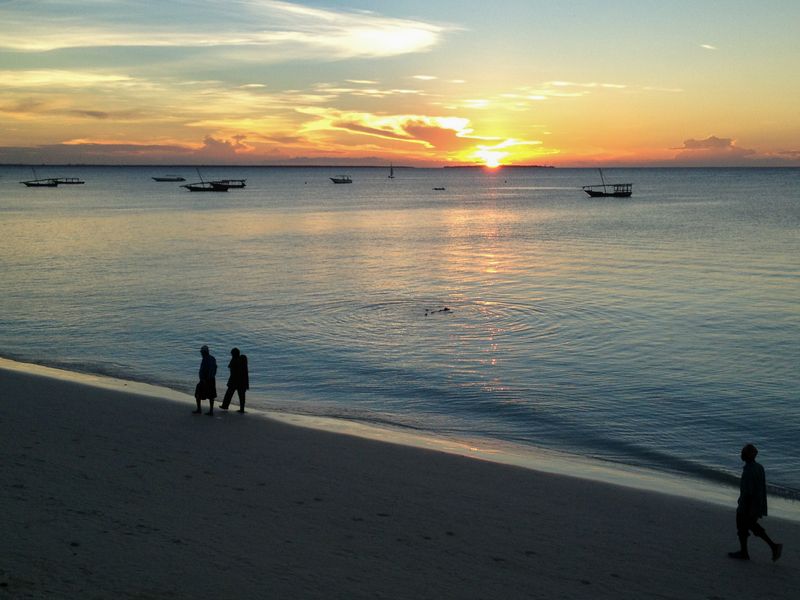
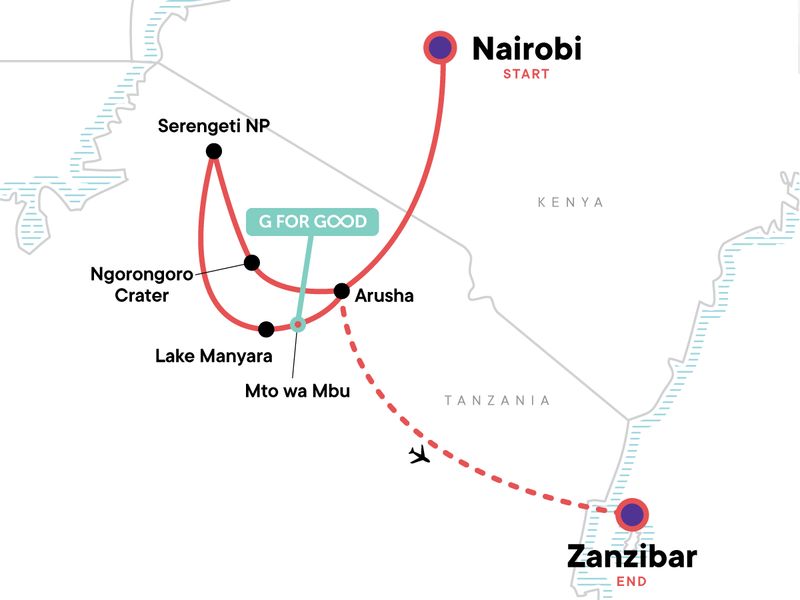
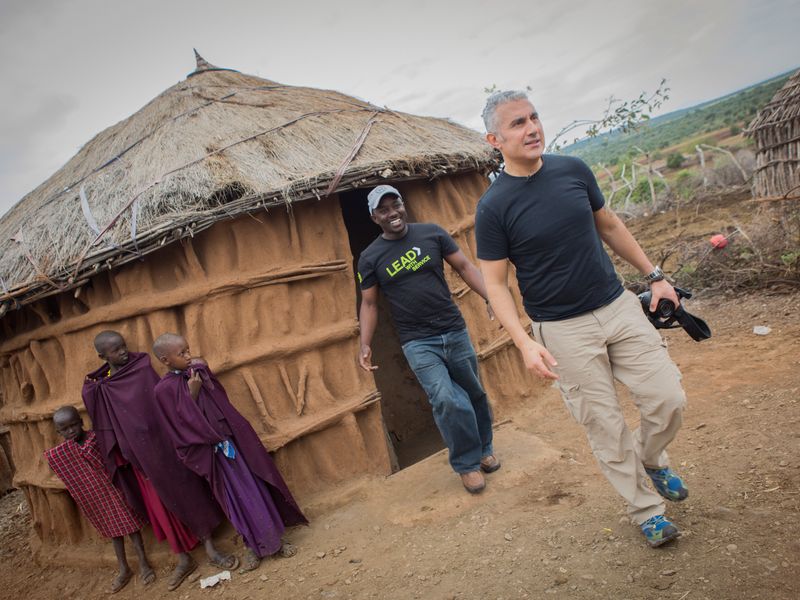
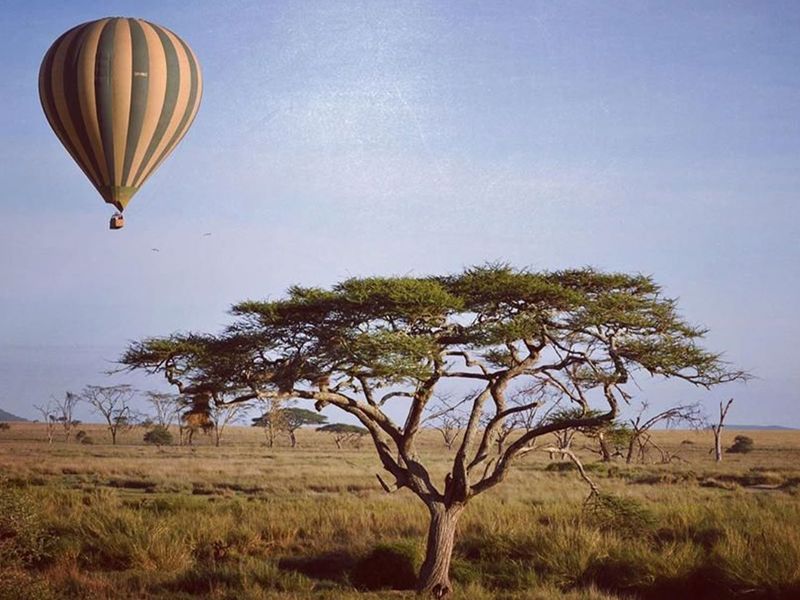
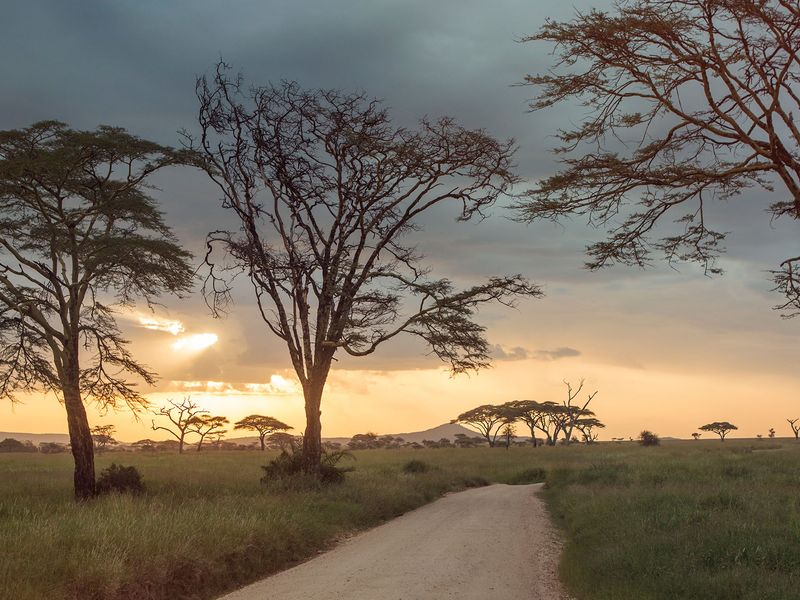
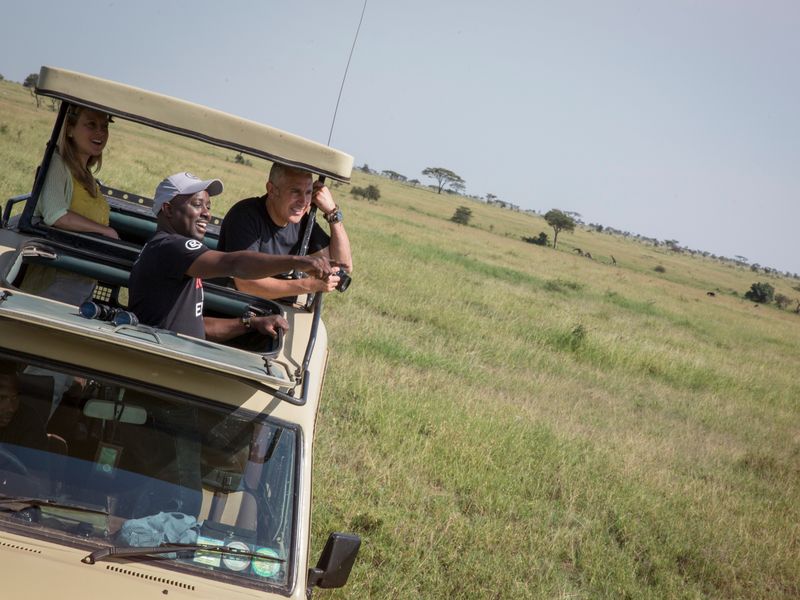
Trips to East Africa can accomplish more than just ticking off a laundry list of incredible animal life sightings. On this 13-day tour through the Serengeti and Zanzibar, you'll have the opportunity to learn about local village life led by a local, see how huts are constructed in farmers' fields, and visit a local spice plantation. Of course, there's plenty of time for wildlife spotting on safari drives through Lake Manyara and Serengeti National Parks to acquire wildlife snaps that'll make your friends and family envious.
Is this tour for me?

Travel Style: Classic
All of the highlights, culture, access, and I-can’t-believe-we-did-that moments, all at a great price.

Service Level: Standard
Comfortable tourist-class accommodations with character; mix of public and private transport.

Physical Grading: 2 - Light
Light walking and hiking suitable for most fitness levels. Nothing too challenging.

Merchandising: Planeterra Project

Trip Type: Small Group
Group trips average 12 travellers per departure, depending on the adventure. The maximum is usually no more than 16, but some can be smaller or bigger, depending on the trip. Check individual trips for details.
Age requirements: 12+
All travellers under age 18 must be accompanied by an adult.
Check Your Visa Requirements
Before booking, use our handy entry requirements tool so you know which documents you need to enter and travel through the countries on your trip.
Classic Serengeti & Zanzibar - Itinerary
DAY 1
Nairobi
Arrive at any time. There are no planned activities until an evening welcome meeting.
Welcome Moment - Meet Your CEO and Group:
Your opportunity to meet your CEO and fellow travellers, and learn more about your tour. Opt to join the group for a local meal afterwards. Don't forget to see the notice in the lobby (or ask reception) for the official time and place to meet up with the group.
Hotel Boulevard:
Hotel Boulevard
Optional Activities
Classic Serengeti & Zanzibar - Itinerary
DAY 1
Nairobi
Arrive at any time. There are no planned activities until an evening welcome meeting.
Welcome Moment - Meet Your CEO and Group:
Your opportunity to meet your CEO and fellow travellers, and learn more about your tour. Opt to join the group for a local meal afterwards. Don't forget to see the notice in the lobby (or ask reception) for the official time and place to meet up with the group.
Hotel Boulevard:
Hotel Boulevard
Optional Activities
What’s Included
- Your G for Good Moment: Mto wa Mbu Community Visit and Lunch, Mto wa Mbu
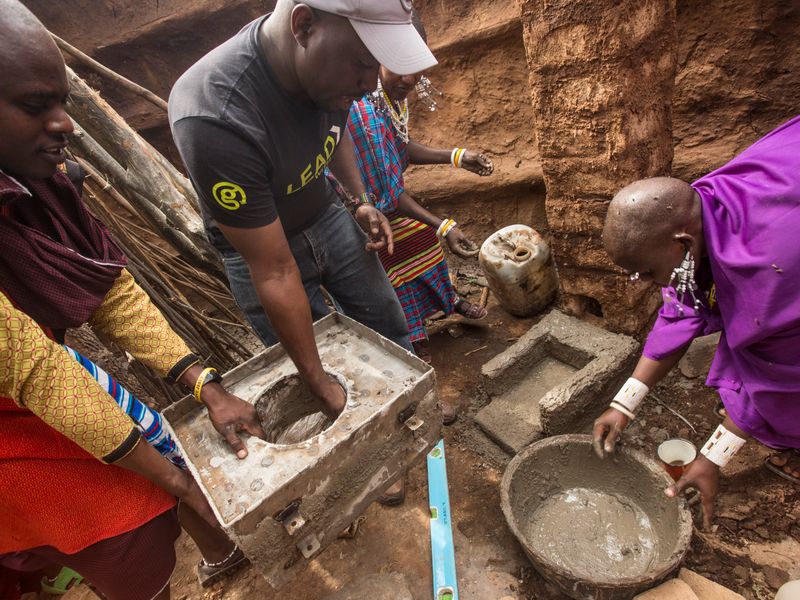
- Your G for Good Moment: Clean Cookstove Project Visit, Mto wa Mbu
- Your Welcome Moment: Welcome Moment - Meet Your CEO and Group
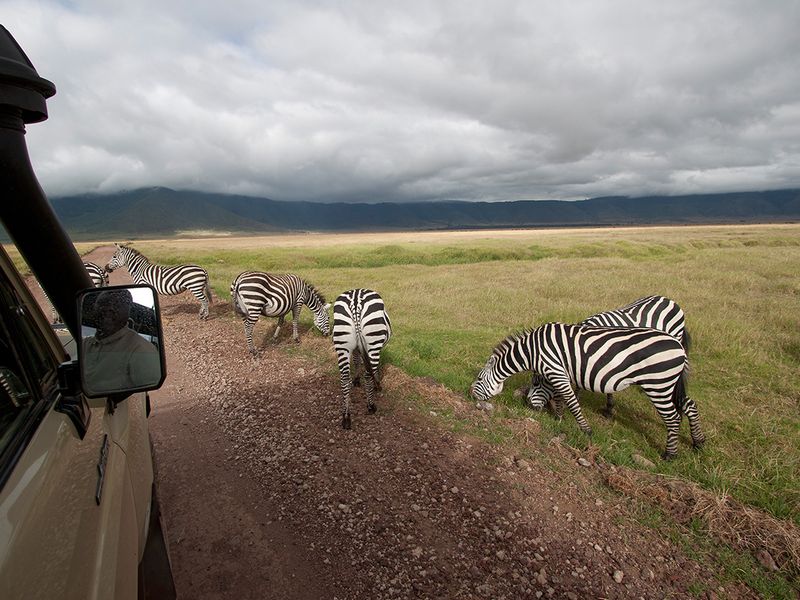
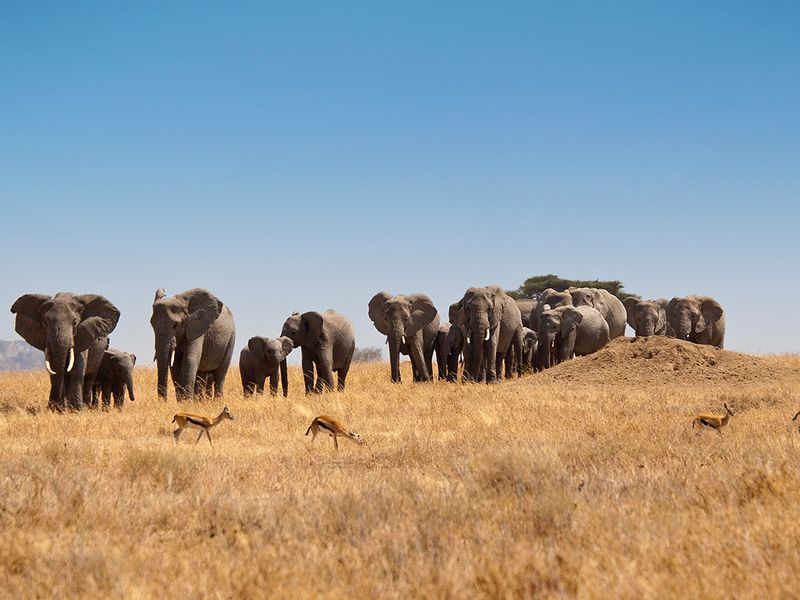
- Lake Manyara wildlife safari drive
- Serengeti wildlife safari drives
- Ngorongoro Crater wildlife safari drive
- Scenic flight from Arusha to Zanzibar
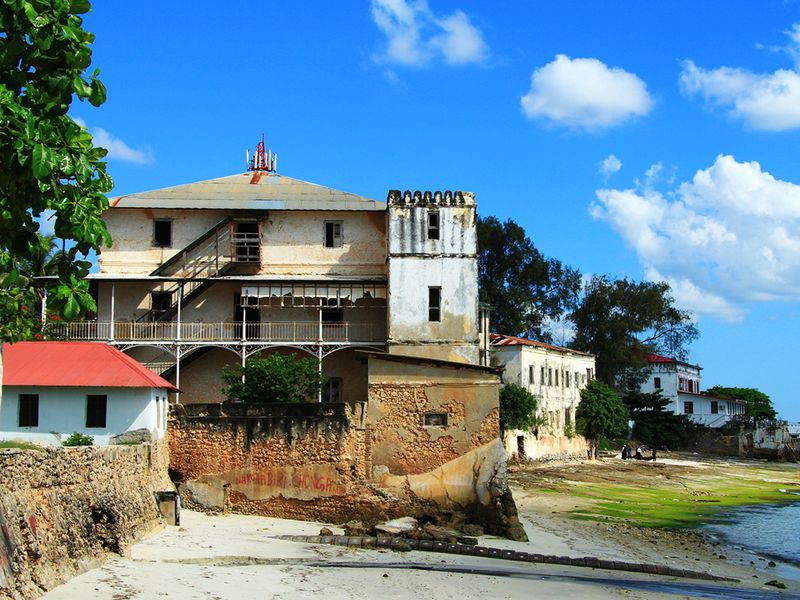
- Orientation walk in Stone Town
- Spice plantation guided tour
- All transport between destinations and to/from included activities.
- Simple hotels (8 nt), full-service camping (4 nts).
- 12 breakfasts, 5 lunches, 4 dinners
- Public shuttle, 7-seat 4x4 safari vehicle, plane, minibus, walking.
- CEO (Chief Experience Officer), certified safari driver/guide, camp crew, local guides.
Classic Serengeti & Zanzibar Departure Dates
All Years
| Start | Ending | Availability | Prices from | |
|---|---|---|---|---|
| Fri, Feb 20 2026 | Wed, Mar 04 2026 | Sold Out | $3,749 USD (price includes taxes and fees) | |
| Fri, Mar 13 2026 | Wed, Mar 25 2026 | Open (1) | $2,999.2 USD (price includes taxes and fees) | |
| Fri, Mar 27 2026 | Wed, Apr 08 2026 | Open (5) | $2,999.2 USD (price includes taxes and fees) | |
| Fri, Jun 05 2026 | Wed, Jun 17 2026 | Open (1) | $4,329 USD (price includes taxes and fees) | |
| Fri, Jun 12 2026 | Wed, Jun 24 2026 | Open (1) | $4,329 USD (price includes taxes and fees) | |
| Fri, Jun 19 2026 | Wed, Jul 01 2026 | Sold Out | $4,329 USD (price includes taxes and fees) |
More from Classic Serengeti & Zanzibar






USEFUL INFO
What's Included
What's Included
Your G for Good Moment: Mto wa Mbu Community Visit and Lunch, Mto wa Mbu
Your G for Good Moment: Clean Cookstove Project Visit, Mto wa Mbu
Your Welcome Moment: Welcome Moment - Meet Your CEO and Group. Lake Manyara wildlife safari drive. Serengeti wildlife safari drives. Ngorongoro Crater wildlife safari drive. Scenic flight from Arusha to Zanzibar. Orientation walk in Stone Town. Spice plantation guided tour. All transport between destinations and to/from included activities.
What are the main highlights of this trip?
What are the main highlights of this trip?
Enjoy wildlife drives in the Serengeti, Savour traditional cuisine in a local village, Take in the views at Ngorongoro Crater, Meet local artisans on a village walk, Explore the UNESCO World Heritage Site of Stone Town, Take in the aromas of a spice plantation tour, Relax on a tropical beach
Is there an itinerary Disclaimer?
Is there an itinerary Disclaimer?
While it is our intention to adhere to the route described below, there is a certain amount of flexibility built into the itinerary and on occasion it may be necessary, or desirable to make alterations. The itinerary is brief, as we never know exactly where our journey will take us. Due to our style of travel and the regions we visit, travel can be unpredictable. The Trip Details document is a general guide to the tour and region and any mention of specific destinations or wildlife is by no means a guarantee that they will be visited or encountered. Aboard expedition trips visits to research stations depend on final permission.
Additionally, any travel times listed are approximations only and subject to vary due to local circumstances.
What important notes should I be aware of before the trip?
What important notes should I be aware of before the trip?
1. CAMPING SERVICE
The idea of camping in Africa can be a daunting one. For those not accustomed to ‘roughing it’ for a few days we offer a full camping service. All tents are pitched for you, meals are prepared and served and the washing up is done by G Adventures staff. This leaves you with more time to enjoy your surroundings and is ideal for first-time campers who may be worried about the challenges such a trip can entail.
When camping we are exposed to the elements, and whilst there are times when the weather is fine and temperatures are pleasant, there may be days when it is foggy, rainy and cool. In certain locations there may also be a number of bugs. These factors, however, should be seen as minor downsides to a camping experience which will allow you to get up close to the beautiful nature that Africa has to offer.
Camps are open to the natural environment (ie. no fences) – care must be taken, especially at night, when a torch/flashlight is recommended when walking around the camp area.
All camping equipment is supplied, with the exception of sleeping bags (which can be rented). We supply canvas dome tents with built-in mesh insect nets on the doors and windows. Mattresses are also available, which are approximately 4cm thick, warm and comfortable. Please note drinking water, ice, and fire wood are not provided but can be bought locally with the assistance of the Chief Experience Officer.
ACCOMMODATION NOTE:
Please be aware that properties we stay in with only two stories may not have elevators installed and climbing the stairs with your luggage will be necessary.
2. SLEEPING BAGS
Sleeping bags can be rented on our Africa overland and safari trips for $40 USD.
3. MIGRATION
Tanzania and Kenya
The Seronera Plains, which lie in the southeast of the National Park and extend into the western Ngorongoro Conservation Area, form the main ungulate calving grounds of the Serengeti. The wildebeest typically disperse into the Seronera plains during the short rains, which fall in late November or early December, before calving in January, and staying put until the end of the long rains from January to early May. Towards the end of April the wildebeest start to congregate on the southern plains in the preparation for the 800km northward migration. The major obstacle faced by the wildebeest on this migration is the crossing for the Grumeti River through the western corridor, which typically occurs from June into early July. From July to October, the ungulates disperse again, with about half of them crossing the Mara River into Kenya’s Masai Mara National Reserve and the remainder spreading out through the northern and western Serengeti. By late October the animals have generally started to plod back southward to the Seronera Plains, to arrive there in late November when the cycle starts all over again.
4. TRAVEL DAYS
This is not a physically demanding journey; however, travelling can be difficult, as long drives and poor road conditions are the rule as opposed to the exception in both Kenya and Tanzania. A safari is about travelling to see animals, so we cover long distances crossing the country to visit different wildlife parks. Once there, we spend the majority of the time viewing wildlife while driving in the parks. This translates to a lot of driving. Despite this, the diversity and scenery of the African landscape, the local culture and abundant wildlife are all well worth the experience.
5. LUGGAGE COMPLICATIONS FLYING INTO NAIROBI
It occasionally happens that luggage on international flights into Nairobi does not arrive, especially with, but not exclusive to, major airlines that fly from London-Heathrow or in Schiphol (Amsterdam). Please be aware that this may happen, especially if you have a tight connection in either of these centres, are flying with different airlines with a connection, have a last minute flight change or re-route, or fly from or connect through another African centre. Please be prepared and keep all important documentation and valuables on your person. As well we recommend a change of clothes in your hand luggage. If unfortunately this does happen, and your luggage does not arrive, you should be entitled to a limited initial compensation from your airline. In Nairobi, the arrival of lost luggage normally takes between 48 and 72 hours after the initial plane’s arrival. The airlines technically should be responsible to forward your luggage to you, to your hotel or elsewhere in Kenya. You may find that you will be needed to travel to Tanzania to begin your tour, and you still have not received your luggage. Considering that the customer service standards in Kenya are different from home, and that we find that the airlines are not always pro-active in helping luggage in its care be reunited with its owner, it is recommended that you purchase locally the needed items, and hire someone locally to persist with the your airline to retrieve your luggage. Please see the emergency local contact number, and our local manager will be able to help you organize this, and once your luggage is retrieved, it should be able to be forwarded to you – depending where you are. Please note that any costs that you may incur for luggage retrieval or sending luggage are not the responsibility of G Adventures, though we will always strive to assist you in any way possible. You should always keep all receipts and documentation, and contact your airline or insurance provider for reimbursement.
6. FLYING THROUGH LONDON-HEATHROW TO EAST AFRICA?
Please note that regardless of the rules in other centres, travellers flying from, or connecting in, London-Heathrow are currently only permitted one carry-on piece of luggage and one small personal bag (purse, laptop-size bag, briefcase) on board on flights to Nairobi. If you arrive to the security gate with 2 pieces, you will be forced to check-in one of them, which may result in complications noted above. This policy is in place as of the time of writing, though local rules and regulations may indeed change. It is thus advisable to contact your airline directly for the most up-to-date information.
7. COMBO TRIP
Please note that this trip is a combination of multiple G Adventures tours. As such, the staff and/or particular vehicles operating your tour may change between tour segments. You may also expect some group members to join or leave the tour, between tour segments.
8. YELLOW FEVER
It may be required to show a Yellow Fever certificate upon entering the country visited. Please check in with your local health expert for advice on Yellow Fever and other inoculations required for this area.
9. ELECTRICITY
The power supply in Tanzania is nominally 240VAC, 50hz. Variable voltage, spikes and sporadic, unexpected, unscheduled power cuts of varying duration can be expected.
10. EXTRAS
Looking to add to your experience? Check out our Extras! Specially designed for travellers with unique interests, Extras are optional add-ons to your G adventures trip that make your adventure more you-centric. Extras must be booked prior to departure, please see details in our optional activities field and ask your sales GCO or travel agent about booking.
What is the group leader like?
What is the group leader like?
Throughout the safari portion of the trip, you will be accompanied by a G Adventures Chief Experience Officer (CEO). To round out the team, you will be joined by an expert driver/guide and a camp cook. The Chief Experience Officer (CEO) will be the group manager and leader. He/she organizes the trip, and will be there to assist you when needed. Your leader may be from East Africa, or another country outside of the region, and will have a general knowledge base of the region and wildlife. He/she will take care of the small things so you can concentrate on enjoying your adventure. Your driver/guide is skilled and experienced driver and a certified safari guide, and is an integral part of the team. As well, your cook will prepare the camp meals to add some further local flavour to the trip.
On Zanzibar, you will have one CEO who will provide information on the places you are travelling through, offer suggestions for things to do and see, recommend great local eating venues and introduce you to our local friends. While not being guides in the traditional sense you can expect them to have a broad general knowledge of the countries visited on the trip, including historical, cultural, religious and social aspects.