
- Deven McCoy
- •
- bikemag.com
- •
- November 12, 2025
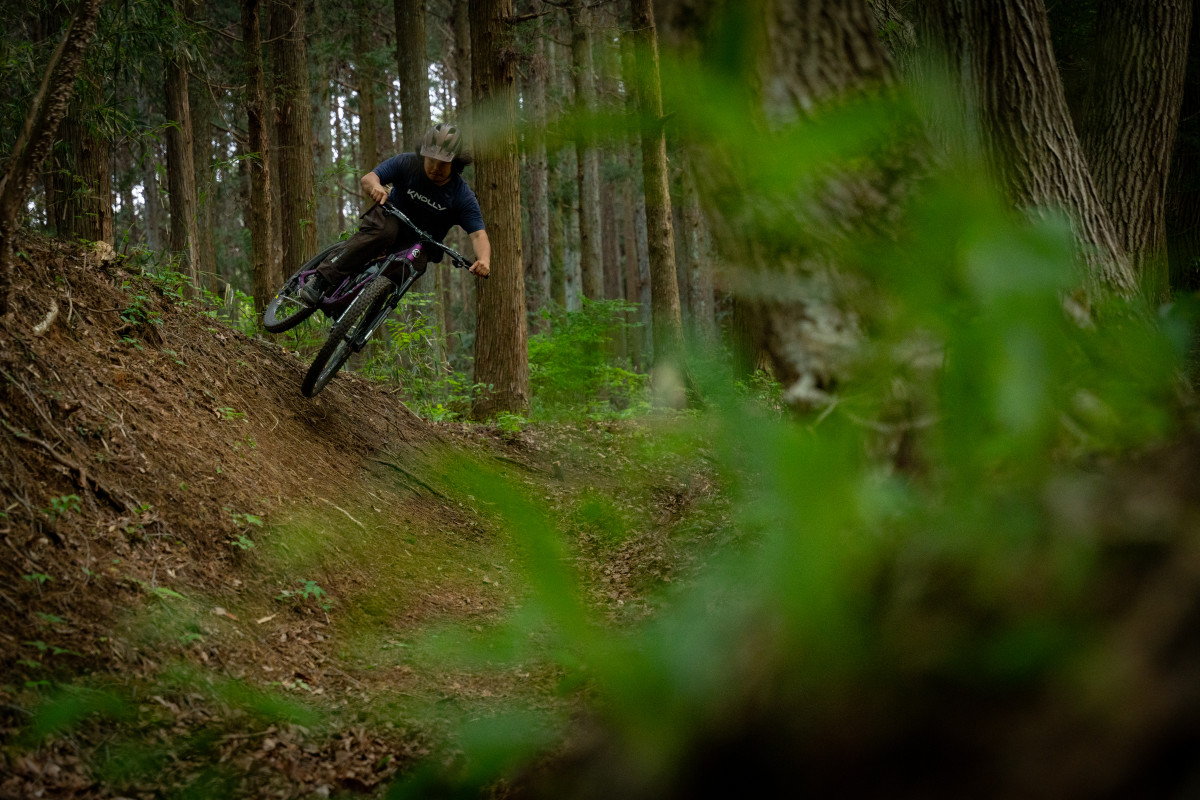
Sure, Japan has a reputation for some of the best skiing and snowboarding in the world, but this mountainous island is surprisingly untapped when it comes to mountain biking, and the Eastend Crew is looking to change that. Overflow, the latest video project from Kanao Itagaki, who rides for Specialized Bikes, and Hiro Totakagi, riding for Knolly Bikes, shines a spotlight on some of Japan's finest singletrack. It has me drooling over the prospect of riding the mountains of Japan, but also curious as to why Japan isn't a more popular mountain bike destination.
Eastend Crew
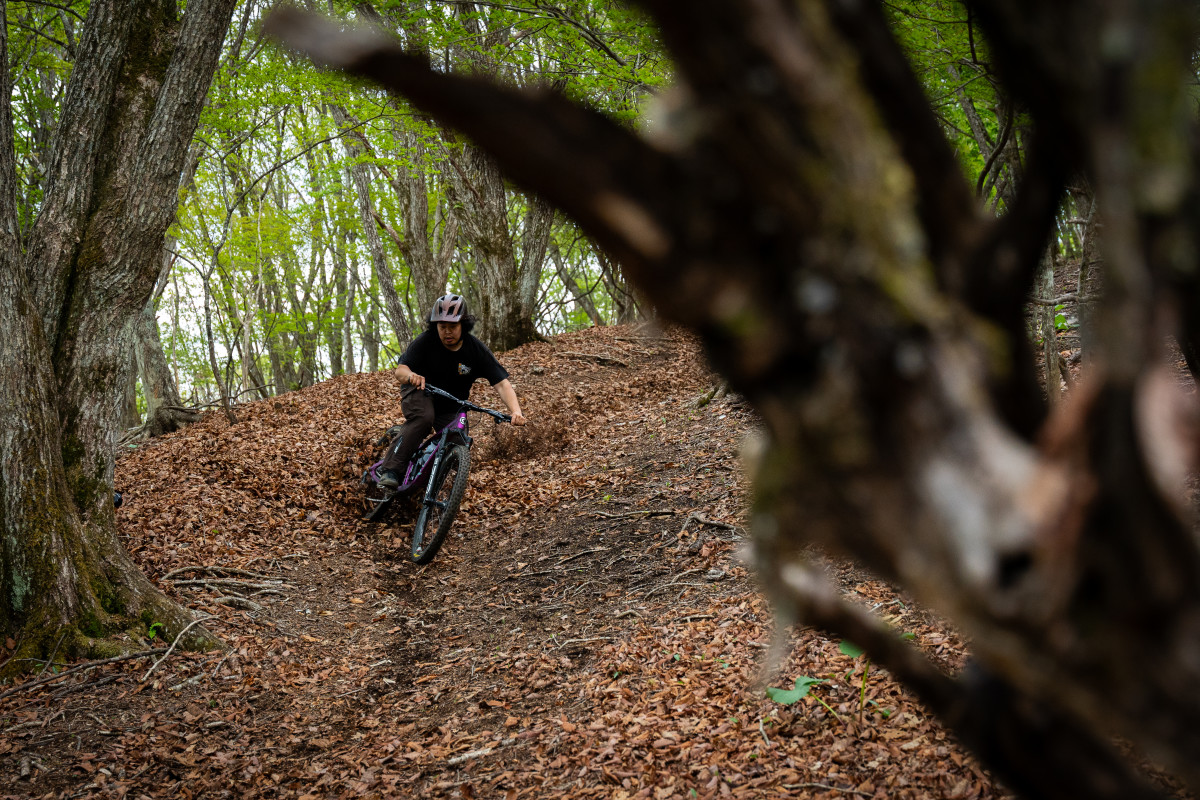
Admittedly, Japan is very high on my list of places to travel for a myriad of reasons, but it doesn’t hurt to add another thing to the list of reasons I need to take a trip there. Filmed across Japan last spring, ‘Overflow’ is a nice change from the typical MTB edits these days. It’s realistic and full of passion, offering a very relatable experience. It’s all about the joy of riding, digging, and having a blast on the bike, proving that mountain biking is so much more than pushing things to the absolute limits, destroying bike park burms, and gapping every possible feature.
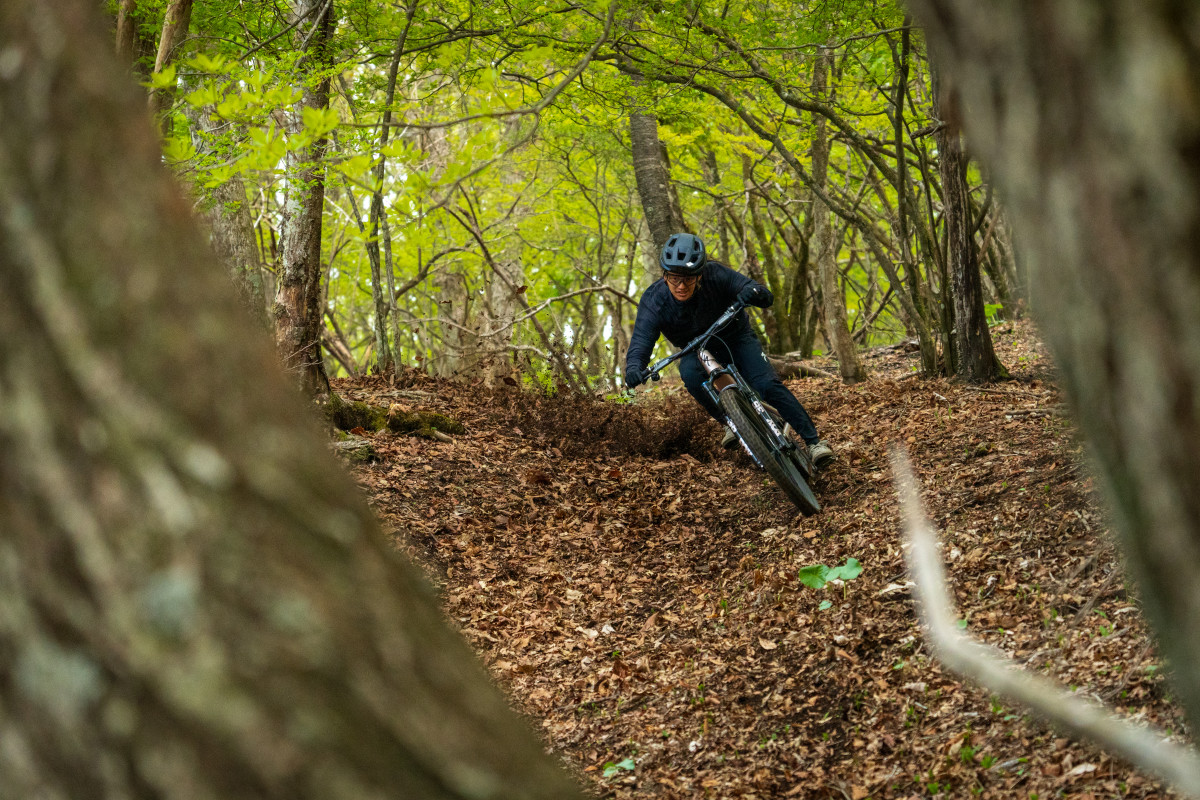
Filmed around Gunma Prefecture and Kosuge, Yamanashi, and a few other hidden gems that need to remain off the radar, Overflow has me obsessing over the riding that Japan has to offer. I reached out to Hiro Totakagi to ask more about the video and the MTB culture in Japan.
Hiro is from Japan, but currently lives in Kamloops, British Columbia. Back in October, Hiro released ‘Homesoil’, a love letter to where he grew up, and his first time back home after seven years in Kamloops. Homesoil was what initially sparked my interest in learning more about the MTB scene in Japan. After chatting with Hiro, my suspicions were confirmed: politics, land management, and access are the most significant factors affecting the situation. But that's not anything new for the sport, and almost every notable trail system has faced similar issues.
Eastend Crew
Eastend Crew
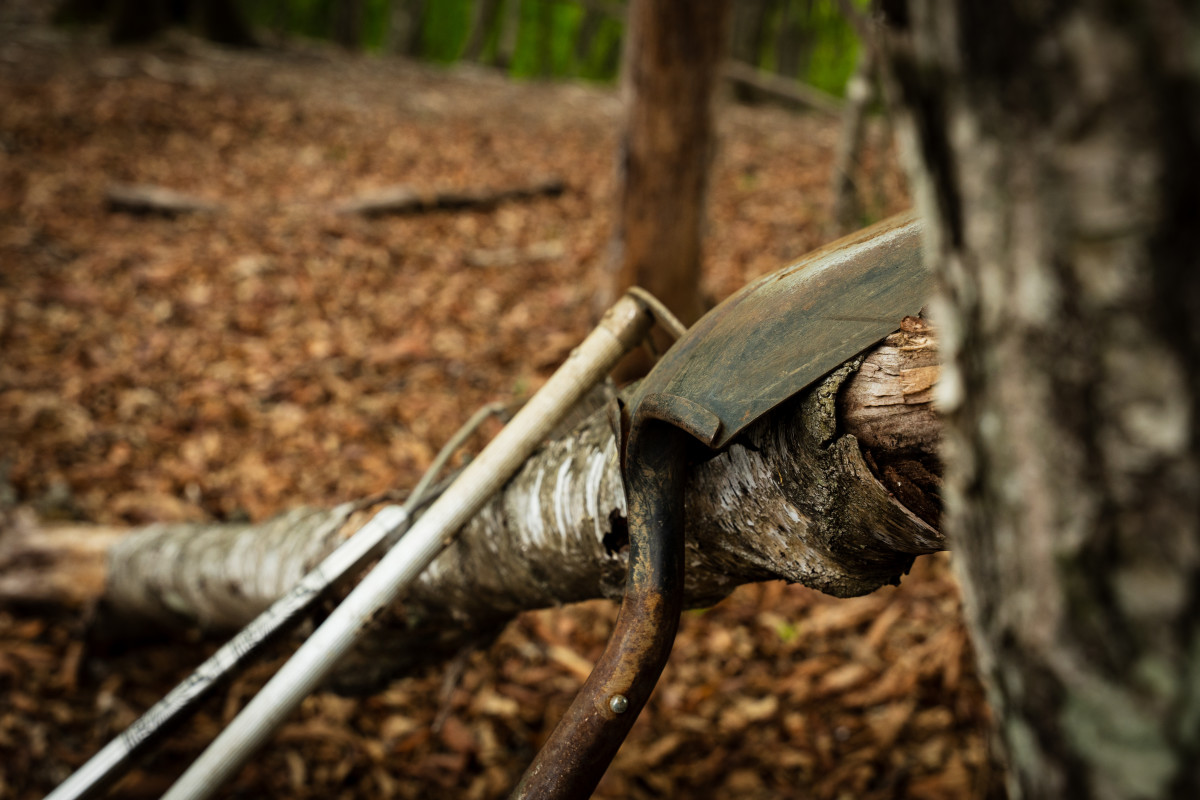
“In Japan, there are so many sick trails, but not lots of them are totally 'legal' to ride,” Hiro Totakagi tells me, “But lately, some regions are starting to maintain mountain bike trails - like most of the towns in BC do - So good trails are starting to come out in the right way I think (such as Gunma trails). There are still lots of secret local gems, so I have respect for that, but one day I hope they can be shared and more people can come ride there, which would mean more recognition for the country.”
How Mountain Biking is Growing in Japan
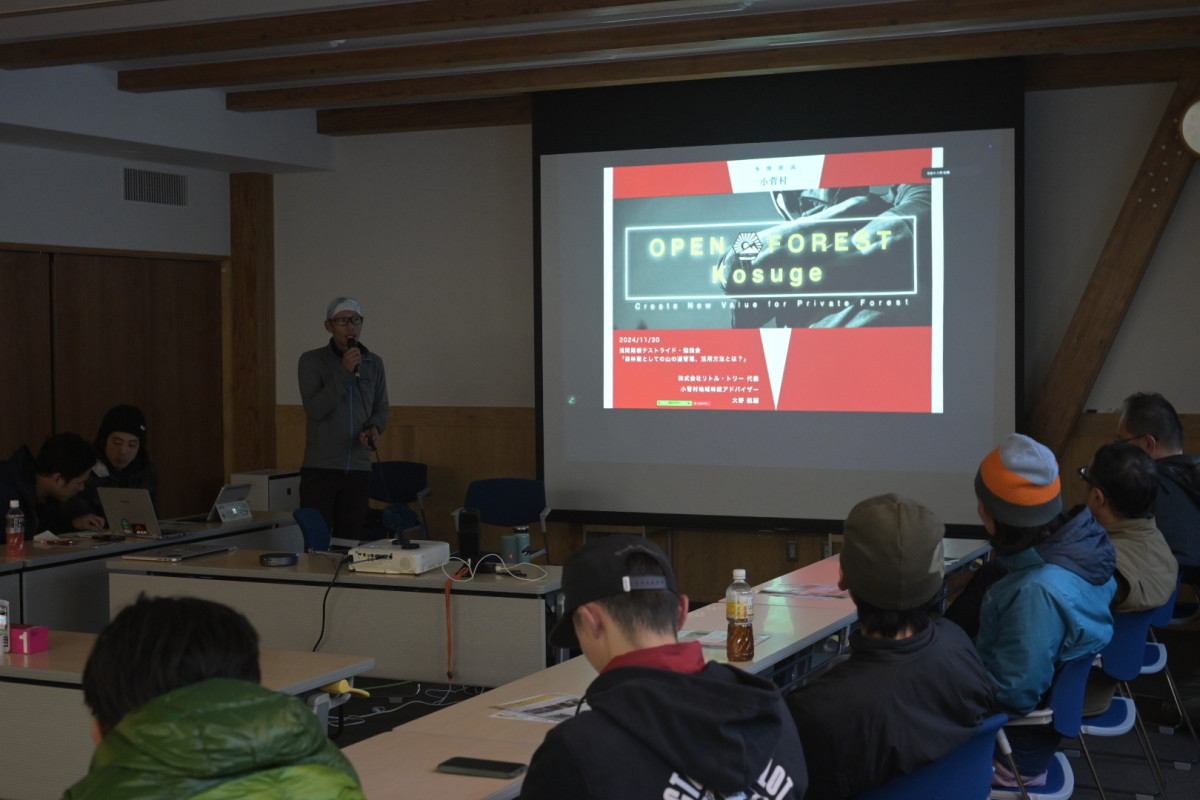
Although mountain biking is still not as popular as road cycling or commuting in Japan, there are many passionate and talented individuals working to make the sport more accessible and accepted. For instance, Open Forest, a joint project between Little Tree Co., Ltd., NPO Kosuge, Studio Hatomae, Kosuge Village Office, and Gen Co., Ltd., aims to reduce the debt burden on Japan's privately owned forests and promote sustainable forest management. The project has developed a method of "holistic forestry" that combines forest maintenance, such as undergrowth thinning, trail maintenance, advocacy for recreational tourism, and training programs that promote mountain biking.
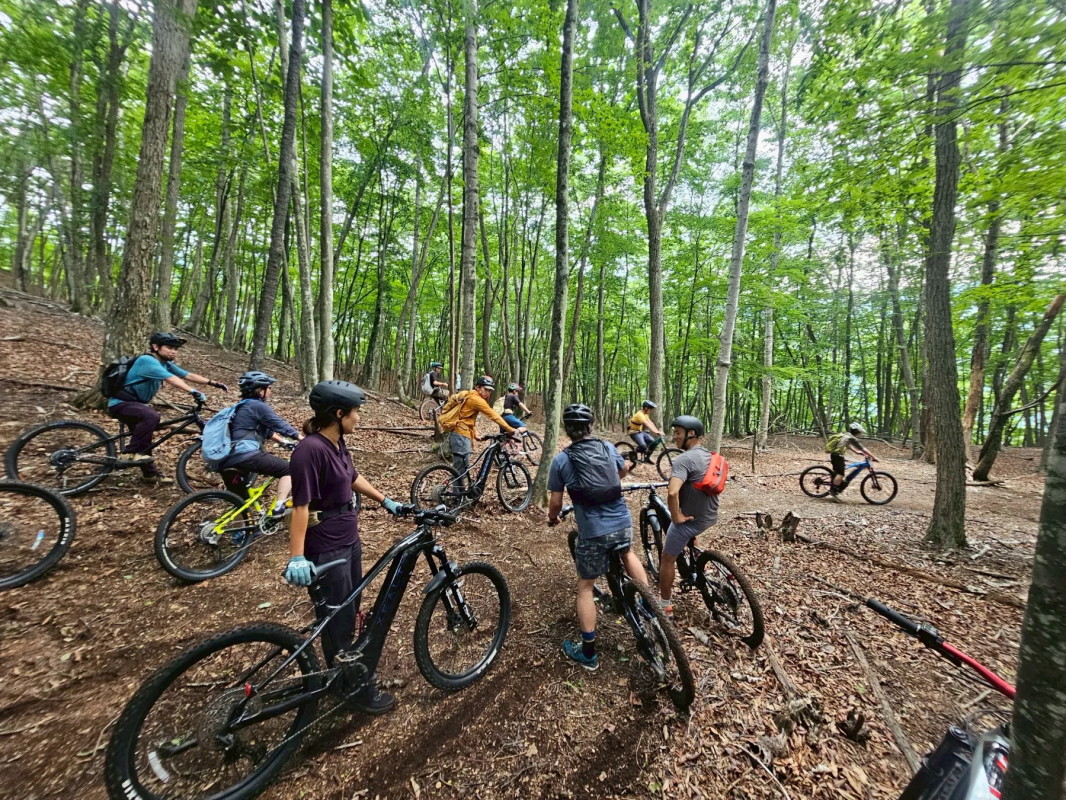
Through this collaborative project, Open Forest has opened Kosuge Village's first public single track this summer. The Asama Trail. This singletrack ribbon is 3.6km long, with 600m elevation change, and runs along the ridge from Matsuhime Pass to Kosuge Roadside Station. It is a public trail set in privately owned forests in the Kosuge Village and Chichibu Tama Kai National Park area.
Openforest
Openforest
In 2023 and 2024, the Kosuge Village Office led efforts to work with all the landowners to reach an agreement surrounding the use of the trail. Once everyone was on board and permission was granted to use the land, they expanded the existing hiking trail for bikes, added berms, and ultimately took a significant step forward in promoting the growth of the mountain bike community in Japan. But there is still a long way to go, and as Hiro stated, "A boy has got to dream. We have some really exciting plans and want to do everything we can to put Japan on the map as a mountain bike destination - but it has to be done the right way."
Doing things the right way means obtaining approvals from local governments, landowners, and all the other factors that go into building trails and infrastructure. Hiro and his crew have a clear vision, a pragmatic approach, and, most importantly, a love for the culture and sport. As all the ingredients come together, I'm eager to see how the scene continues to evolve.