

- October 27, 2025
Surfers and tattoos, it's a likely match-up. While not every wave glider is also inked up, chances are you see more tatted brahs than not when you roll up to your local. In many places, it almost seems like a requirement to have a random assortment of tattoos to fit in. To be clear, I have a few myself (including one I kinda regret), and I understand both the desire to have them and how misguided that desire can be.
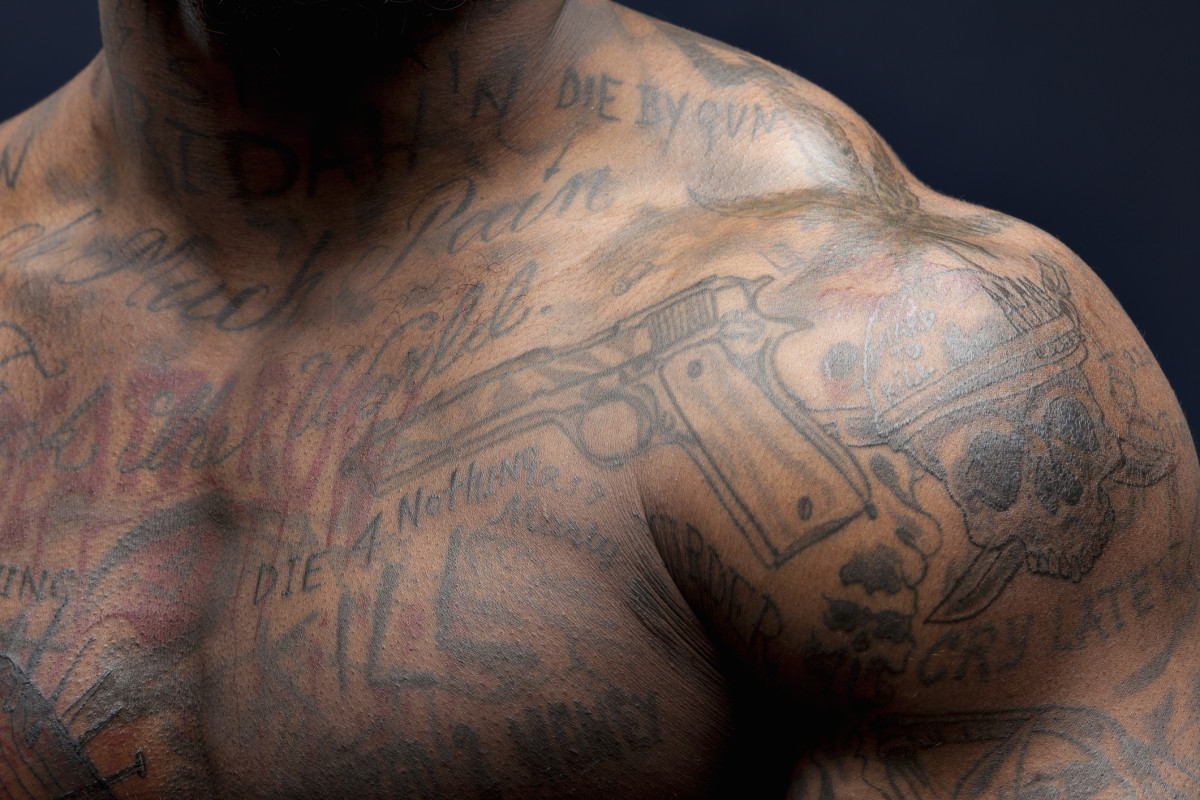
Beyond the cringe-worthy factor of bad tattoos, there's a new concern to be aware of before signing up for a pair of angel wings on your back--dirty ink. Recent laboratory investigations revealed that over 80% of U.S. tattoo inks contain unlisted ingredients, some tied to organ toxicity and cancer. Heavy metals like lead, arsenic, and nickel—banned in cosmetics—are showing up in pigments used every day in tattoo shops. These compounds can remain in the body for life, migrate to lymph nodes, and even react unpredictably during laser removal or sun exposure.
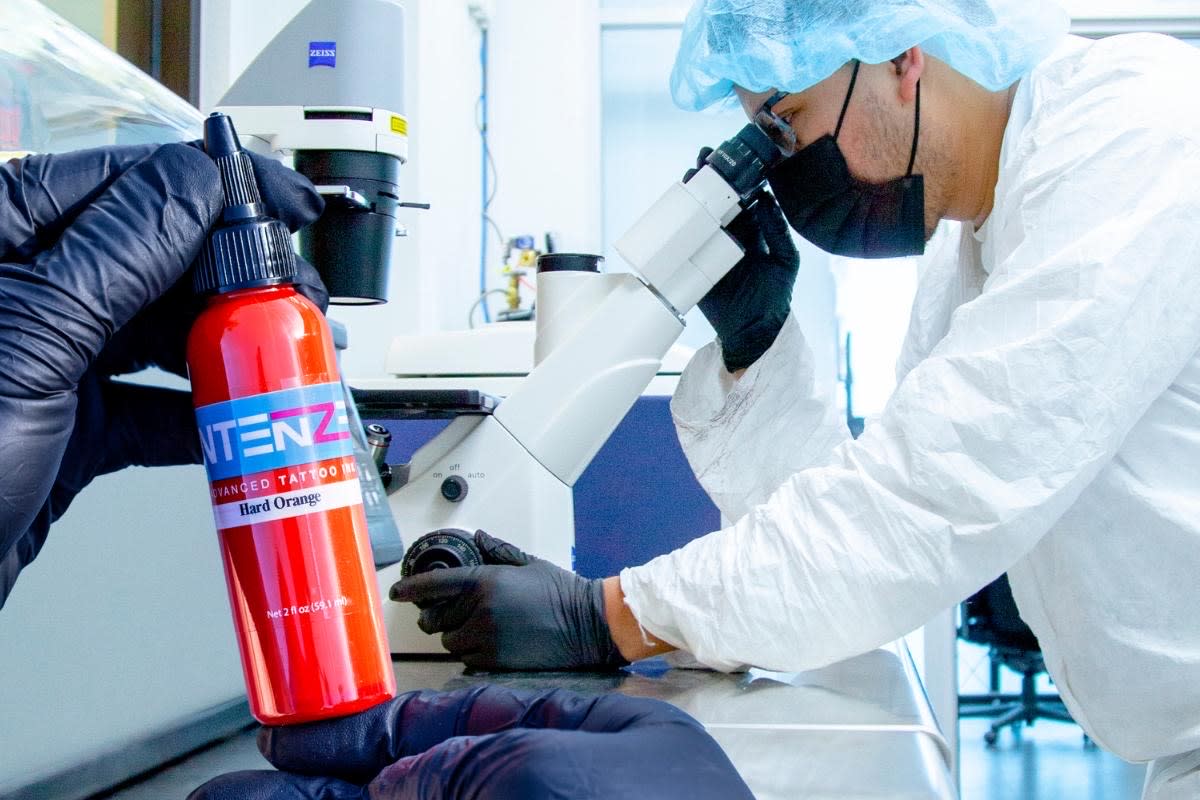
For a proper look at the risks and how to mitigate them, we caught up with Mario Barth, legendary tattoo artist and founder of Intenze Ink Products.
SURFER: Given that recent lab analysis says around 80% of tattoo ink could be harmful. Can you give me a brief history of ink and when did it start to become this way?
Mario Barth: Yes, traditional tattooing, which was done with tools that tapped pigments into the skin, relied on natural sources such as plants and minerals. In Polynesia, for example, pigments were often made from candlenut soot mixed with oil, while the Maori of New Zealand used carbon-based pigments from burned wood or gum. These inks were simple, natural, and rooted in cultural tradition.
Modern tattoo pigments have evolved dramatically. In the last 20 years, serious U.S. manufacturers have worked hard to make inks safer, with stronger checks and balances than ever before. The real problem now is not with these companies but with unregulated imports, particularly from China, where inks are sold freely online under dozens of different brand names with no oversight. That flood of poorly regulated pigments is what has created today’s risks, even as U.S. manufacturers continue to improve their standards.
Do most tattoo artists know about this?
Most artists know something about it, but education is still very much up to the artist. Experienced tattoo artists usually make the right decisions, but about 90% of the industry today is made up of younger artists who have focused on developing their artistic skills rather than learning about pigment manufacturing. In the U.S., there are only five or six reputable companies producing safe inks. But overseas, an unregulated tattoo ink manufacturer might put out 20 or more different brands, creating confusion and making it hard for artists to know the source of what they’re buying and therefore causing an elevated risk for the end consumer.
Say if someone already has a tattoo, are there any ways they can check the ink themselves? Unfortunately, you really can’t check ink from an existing tattoo. It’s difficult to trace what was used, when, and where. Years ago, tattoos in the U.S. mainly used pigments from domestic suppliers, but now, with the influx of imports, it’s nearly impossible to know. This is a new challenge, and it’s why raising awareness is so important today.
Mario Barth
Of the 20% that’s non-toxic, is it more expensive or harder to get? Why is the ratio so tilted toward toxic products?
No, non-toxic pigments are not necessarily much more expensive. The problem is that the Chinese market has flooded the U.S. with brands and diluted the market so heavily that unsafe products dominate. A few U.S. companies also cut corners with weak practices — I know of one that was manufacturing pigments outdoors without sterilization. The credible companies are well known, but they get little to no support from government regulators, which makes it harder for them to compete.
Getty
If someone has a desired artist in mind, what can they do to research the ink without offending the artist?Can they insist on a certain ink?
Yes, absolutely. A professional artist will welcome those questions and even respect a client more for asking. Clients can request specific pigments, like Intenze, or ask about other safe brands, and a legitimate artist will be happy to discuss it. Speaking as an artist myself, I always shared information with my clients and gave my opinion on which colors are best to use.
Anything else people who already have tattoos should know about the potential risks to their health and ways to mitigate those risks?
If you already have tattoos, your body’s immune system has already processed the pigment, so there’s not much additional risk. The bigger concern is with removal. Laser removal wasn’t designed for tattoos — it was created for freckles and hair removal — and only later adapted for ink. That’s why it’s crucial to use a professional, highly-rated removal provider like Removery, which understands the safest way to remove pigment. For new tattoos, people should research pigments in advance and make thoughtful choices about what they’re putting into their skin for life.
Related: Barefoot Shoes: The Connection Between Your Head & Feet Is Key To Better Surfing