
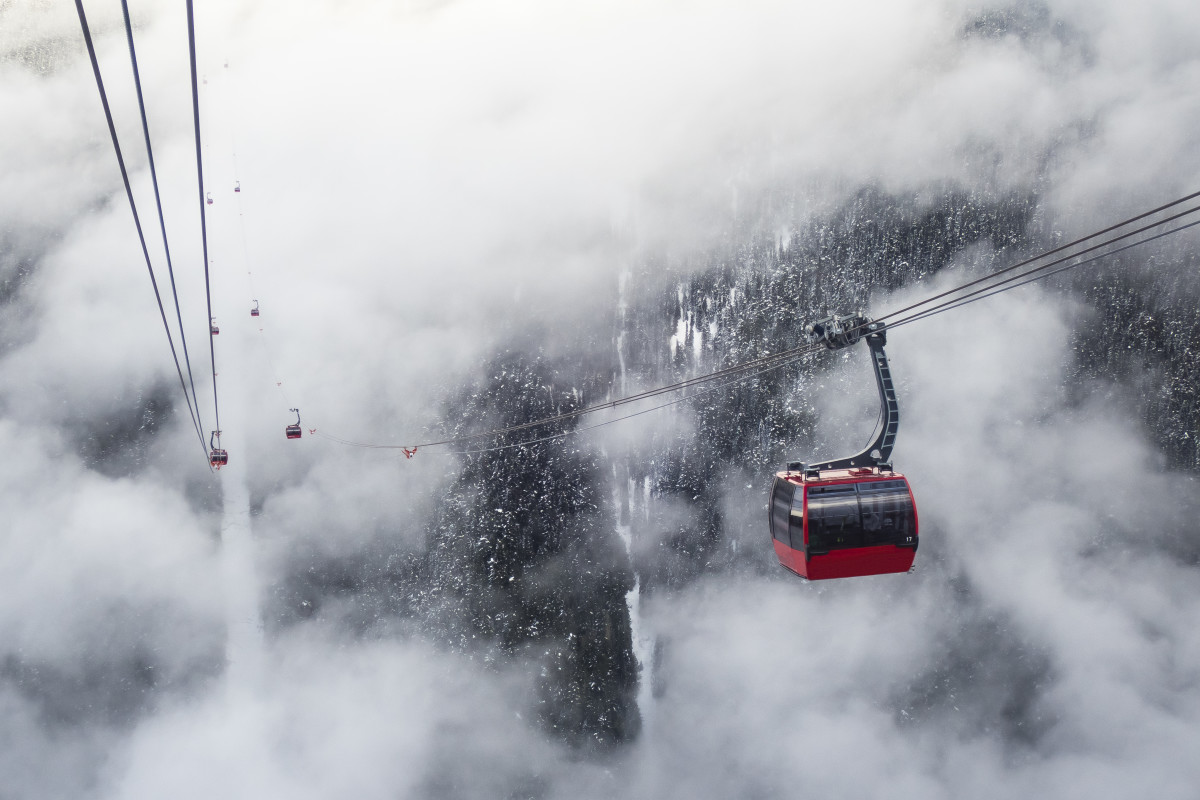
- Ian Greenwood
- •
- powder.com
- •
- January 13, 2026
POWDER has confirmed that two separate inbounds avalanches happened at Whistler Blackcomb, British Columbia, on Sunday, January 11, 2026.
Both slides took place on the Blackcomb side of Whistler Blackcomb’s pistes, according to a statement shared by a resort spokesperson.
"The first incident occurred on Bushrat—an experts-only area on Blackcomb Mountain. Blackcomb Ski Patrol received a call at approximately 10:11 am and responded immediately. Three guests were involved and unharmed, and Patrol was able to clear the site at 10:50 am," the spokesperson said.
"The second incident occurred in Sapphire Bowl—an experts-only area on Blackcomb Mountain. Blackcomb Ski Patrol received a call at approximately 11:41 am and responded immediately. Three guests were involved, and one required rescue. There were no injuries, and the area was cleared by Patrol at 11:59 am," the spokesperson continued.
“Whistler Blackcomb places the highest value on the safety of our guests and employees. Ski Patrol regularly performs avalanche mitigation work, monitors snow conditions and weather forecasts, and evaluates terrain to the extent possible as conditions change,” the spokesperson added.
The 2026 POWDER Photo Annual is here! Look for a print copy on a newsstand near you, or click here to have a copy shipped directly to your front door.
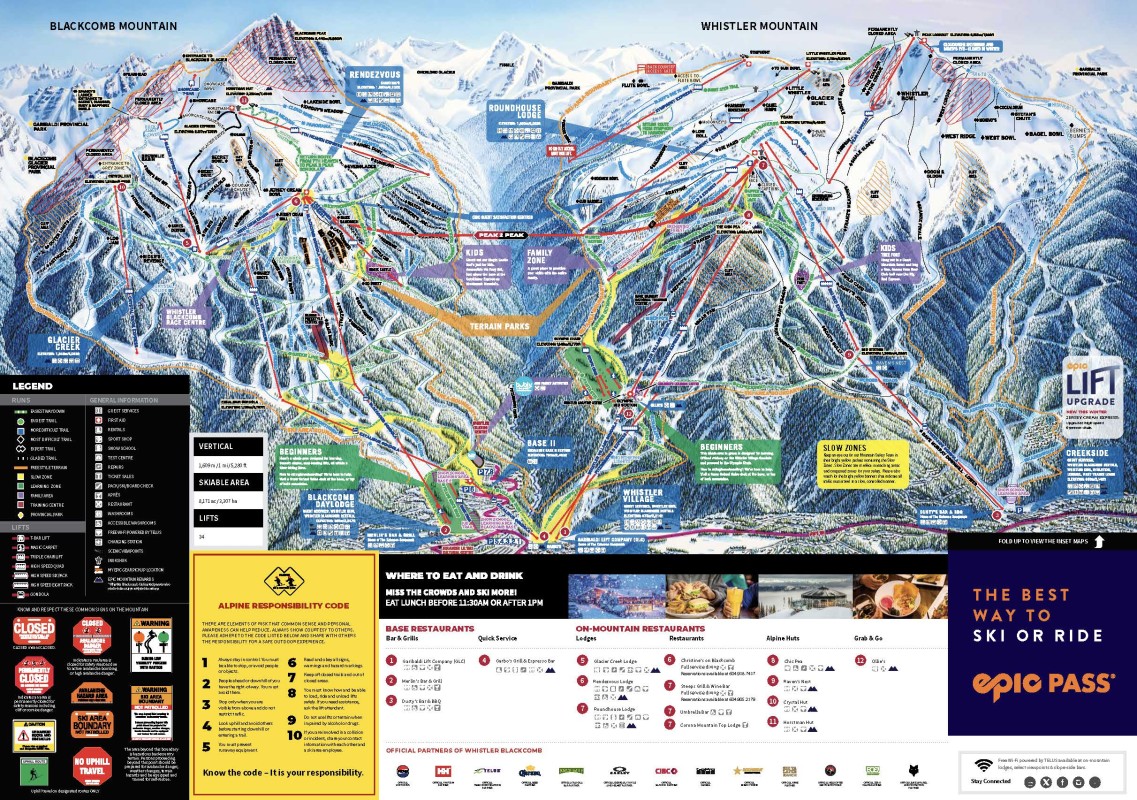
Photo: Whistler Blackcomb
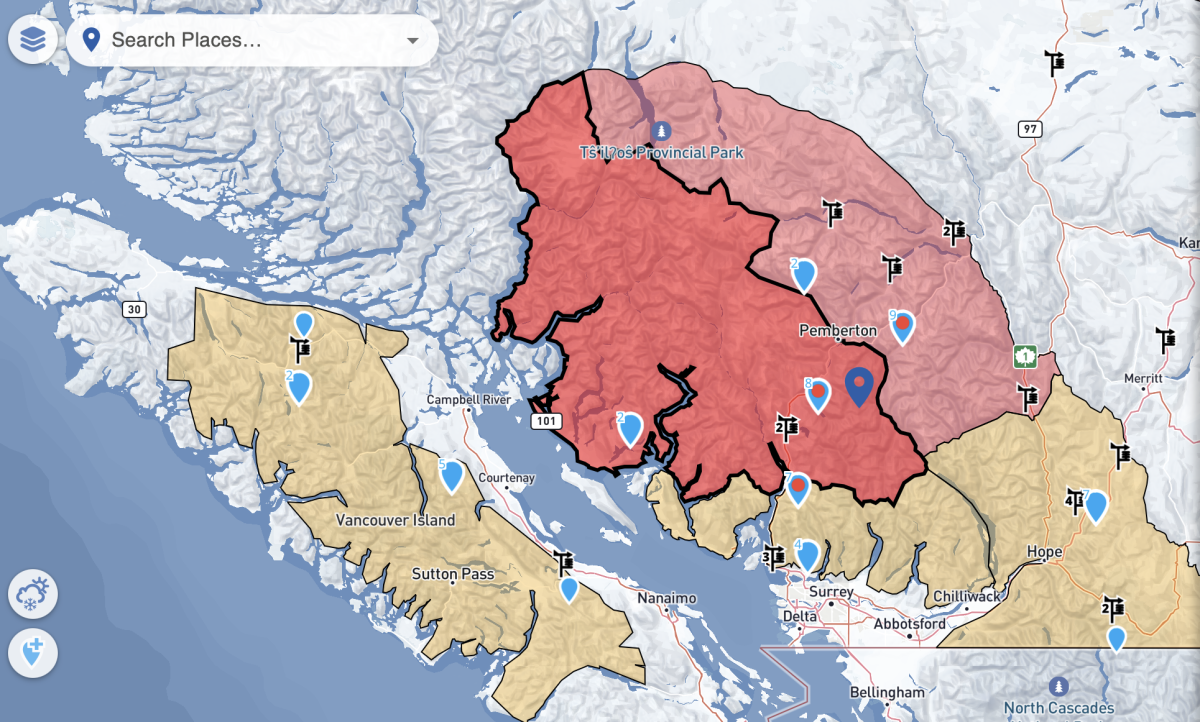
Meanwhile, Avalanche Canada is advising skiers and snowboarders that “Warm temperatures and high freezing levels are keeping avalanche hazard elevated” on the backcountry slopes outside Whistler Blackcomb.
The organization recommended against backcountry travel in alpine terrain, but anticipates that the avalanche danger will decline as the week progresses.
Despite the slides at Whistler Blackcomb, fatal avalanches within North American ski resorts remain rare.
A
Major mountains like Whistler Blackcomb undergo thorough avalanche safety measures, namely using explosives to trigger slides before a slope is opened to the public.
An article published by avalanche experts in 2023 noted that “the risk of a skier or snowboarder dying in an avalanche at a U.S. ski area is roughly less than one death per 60 million skier visits.”
But accidents can happen and, as the experts wrote, the “inbounds avalanche risk is not zero and cannot be completely eliminated.”
Earlier this winter, at Mammoth Mountain, California, one ski patroller was injured and another was killed by an avalanche during a storm that dropped feet of snow in only a few days. The patrollers were conducting avalanche mitigation work before the ski resort opened to the public.