- Graham Fee
- •
- bikemag.com
- •
- October 29, 2025
The International Mountain Bicycling Association (IMBA) just rolled out two major updates to its long-running community recognition program. IMBA has announced a brand-new Trail Town designation and is also relaunching its flagship Ride Center™ program with a modern framework that better reflects the way we actually ride today.
For decades, IMBA’s Ride Centers have set the bar for destination-level mountain-bike networks — from the red dirt of Sedona, Arizona to the rideable sculptures of Bentonville, Arkansas. But IMBA’s new Trail Town program shifts the focus from “where to travel” to “where to live.”
A Trail Town, as IMBA puts it, is a place where trails aren’t just amenities — they’re part of the community’s identity. Between local crews keeping trails dialed, coffee shops full of muddy riders, and city planners who understand that good dirt can change lives, the designation is a stamp of being a true hub of cycling culture and a community that is truly bought into bikes.
To earn the badge, a town has to show:
- Sustainable and well-maintained trail systems
- Equitable access for all riders
- Reliable funding to keep trails alive
- A local organization driving the mission
As much as it’s an award, also a commitment — one that recognizes towns using trail culture as a tool for both quality of life and economic vitality. In short: it’s about recognizing the places that are invested in the future of riding as an intergal part of their communities.
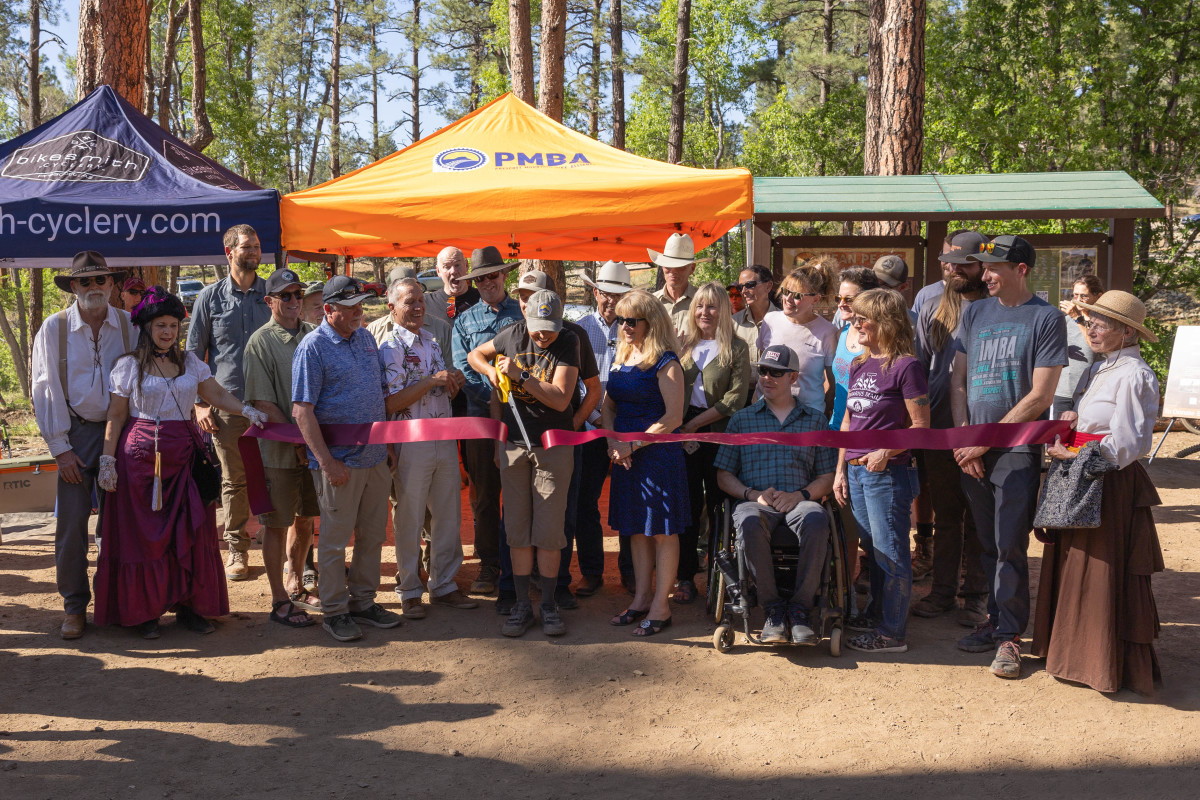
Part two of this initiative includes, IMBA also relaunching its Ride Center program — the gold standard for destination riding — with new categories, updated criteria, and a more inclusive lens.
Communities can now earn up to four distinct “Badges”:
- Frontcountry – the flowy, accessible trails close to town
- Backcountry – big-mileage adventure routes
- Gravity – lifts, shuttles, and DH gnar
- Bike Park – purpose-built jump lines and features
To qualify as an IMBA Ride Center, a destination needs at least 60 miles of quality trails and three badges. To reach Premier Ride Center status, it takes 100 miles and all four. the updated criteria also factor in Class 1 e-bike access and adaptive use, recognizing the shifting tech and inclusivity landscape that’s reshaping modern mountain biking. Each designation runs for five years before renewal, ensuring communities keep evolving rather than resting on past recognition. The move reflects a bigger truth in mountain biking right now — that the best riding cultures aren’t built overnight or imported from outside. They’re homegrown.
By spotlighting both Trail Towns and Ride Centers, IMBA is creating a roadmap for how communities can use trails as infrastructure, economy, and identity all at once. From trail crews and town halls to bike shops and breweries, it’s a framework for what healthy trail ecosystems look like in 2025 and beyond.
As IMBA’s program expands, it’s easy to imagine more small towns chasing that balance of livability and rideability — not just to attract visitors, but to build sustainable, bike-centric futures. Because at the end of the day, the best places to ride are often the best places to live.