
- Jason Lock
- •
- surfer.com
- •
- November 24, 2025
Winter is a special time for the northern hemisphere—the seasonal swell flow is up and rolling, with more waves on tap than any other time of year. Sure, the water's colder, but that hardly means much when you can score back-to-back days of decent waves.
And when does winter begin, exactly? Meteorologically, winter begins on December 1. This is based on annual temperature cycles that are divided into three-month periods for accurate record keeping. Astronomically, however, winter begins in the third week of December. This is calculated by the Earth's position relative to the sun—specifically around solstices and equinoxes, or the longest and shortest days of the year.
Whether you follow meteorological or astronomical winter is entirely up to you. By December, you can break that winter surf trip out of the group chat and head to any of these great winter surfing destinations.
What To Pack
This really depends on where you're going. Are you looking for a warm water getaway, or are you a cold-water soul, seeking solace?
Sample Cold Water Packing List
- 5mm wetsuit, preferably with hood attached.
- Booties are a must. Consider bringing a thermos for hot water for steaming up those booties.
- Gloves are optional—you can get away without them for a few hours in the drink.
- Cold water wax
- An attitude that says, "Yeah, it's raining, snowing and hailing—but hey, it's fun out there!"
Sample Warm Water Packing List
- Board shorts
- Rashguard
- Tropical wax
- Tons of sunscreen. You're going to need it.
Related: 7 Mental Hacks That Help Surfers Stay Calm in Rough Waters
Hawaii: Heart of the Winter Trip
Matt Paul/Getty Images
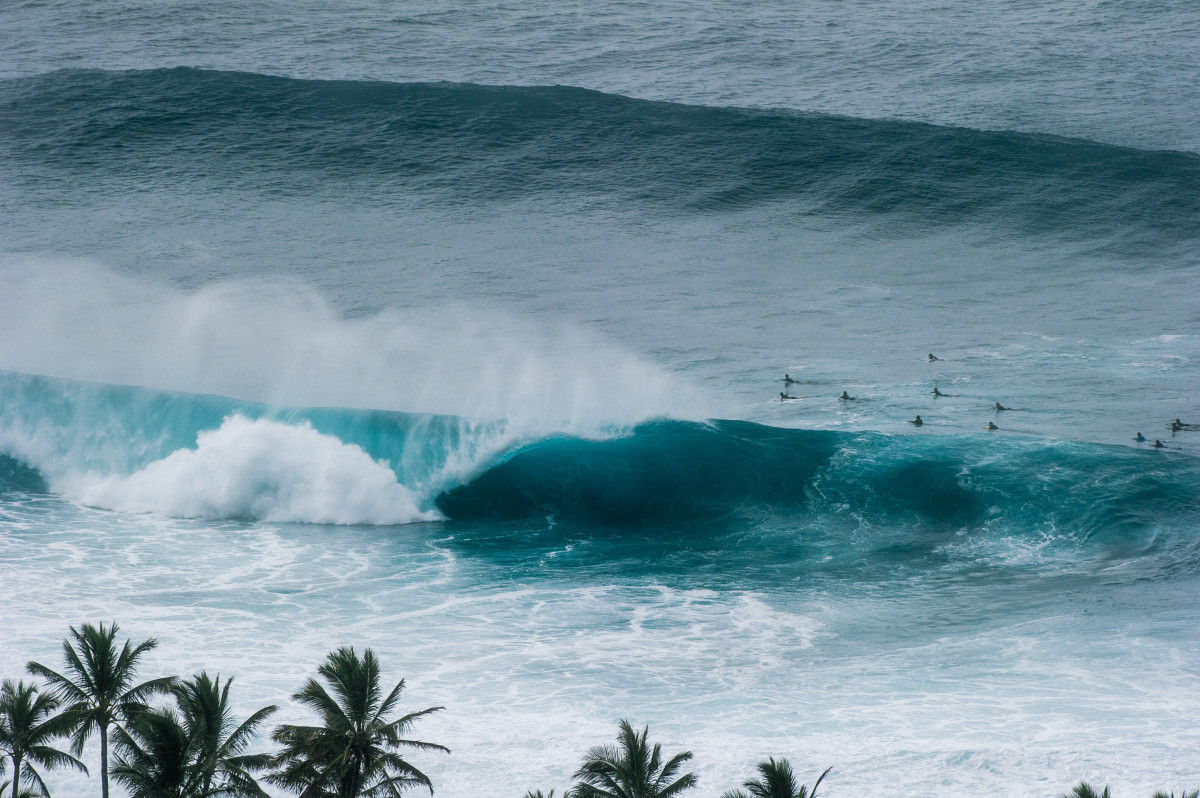
Hawaii, packed with AAA waves, is an obvious go-to winter trip—but you already know this.
One reason to pick Hawaii in the winter, over anywhere else in the world, is that the North Shore of Oahu transforms into surfing's spiritual yet high-performance home during the winter months. Hundreds of the traveling pro surfer contingent are in town to prove themselves, or to be a part of the multitude of competitions that happen over the course of six special weeks on the North Shore.
Even if it's not high-performance waves you're looking for, there's an abundance of more forgiving set-ups to sink your non-winter-bootied heels into.
Puerto Rico: Tropical Climate, No Wetsuit
IndigoSurf Photography/Getty Images
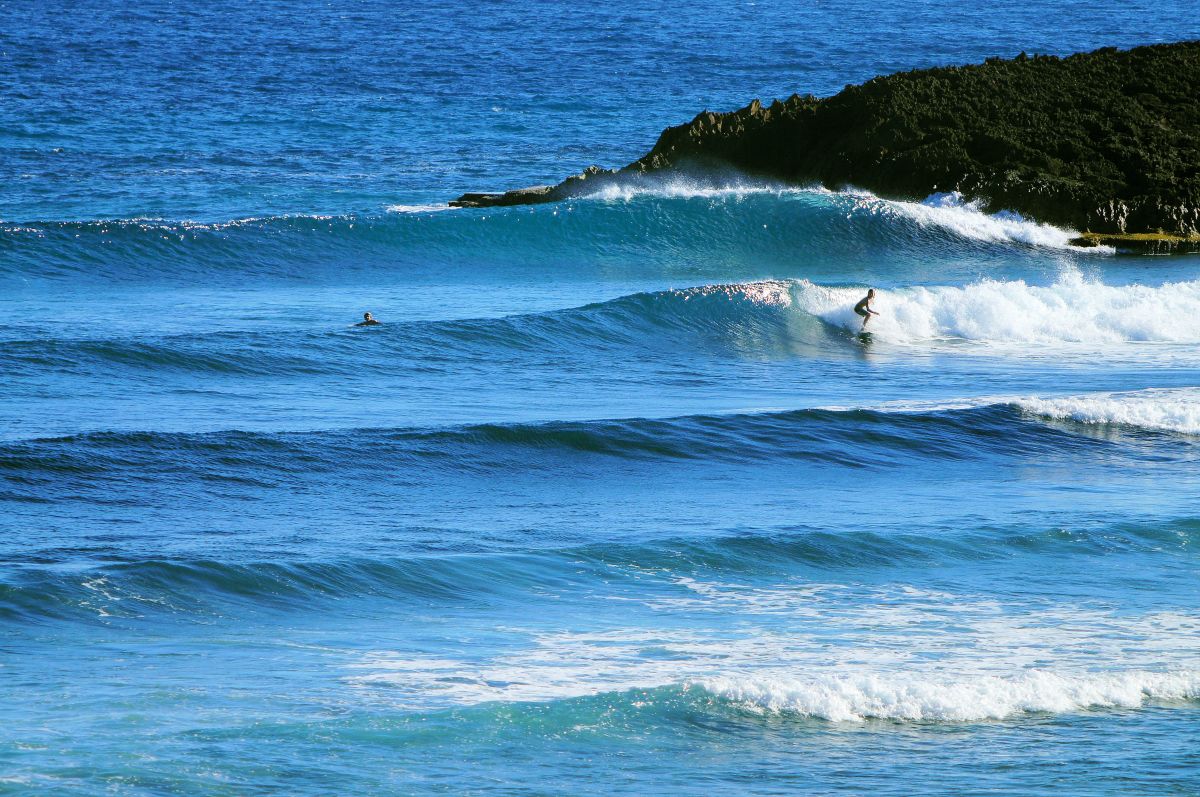
While Hawaii relies on the Pacific to get cooking, Puerto Rico is deep in the Atlantic's pocket. During the winter months, the North Atlantic is on a tear, rifling long-period swells straight into the Caribbean and Puerto Rico's west and northwest coasts. Meaning: you're going to score.
While other countries on this side of the world can't make sense of such swells, Puerto Rico's reefs and point breaks transform all of this energy into some delightfully crisp surf—including every sort of wave from barrels to mellow, waist-high peelers.
It's a warm-water surf paradise that can consistently get waves out of the temperamental North Atlantic. The water's like a bathtub, in the high 70s to low 80s. Sling your board shorts in a carry-on and make the most of a total reset from frigid winter blues.
Related: Why Surfers Will Always Love Puerto Rico
Nicaragua: Always Offshore
Sean Murphy/Getty Images
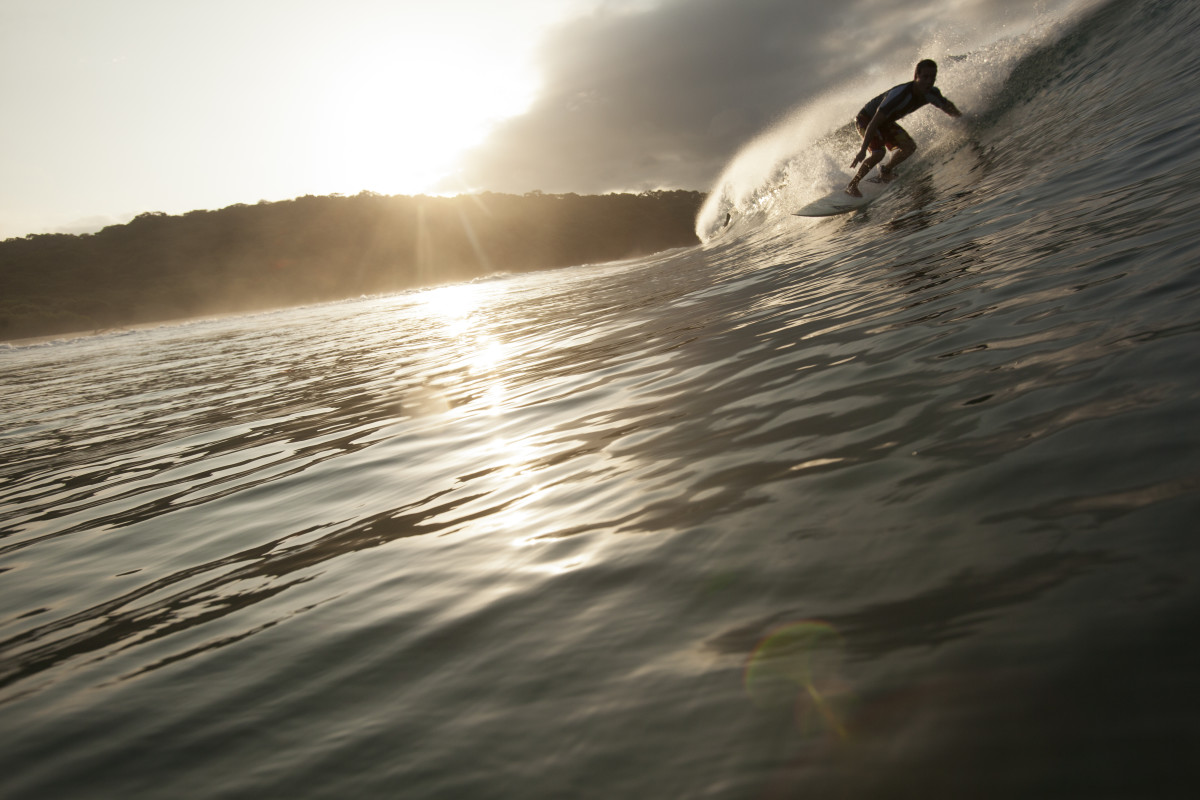
Well, not always offshore—but for more than 300 days of the year, Nicaragua has favorable offshore wind, meaning your chance of scoring is right up there.
November also heralds the start of the dry season in Nicaragua, with the country experiencing sunny weather and less humidity. The downside of the dry season, however, is that the winds can become stronger due to the pressure differences between the Caribbean and the Pacific.
Nicaragua is in the heart of Central America, which means December is the start of their dry season. The country's peak period is from May through to November, so winter really sees that transition into some slower surf. You might think this would make the joint a bust, but it's not. It's a brilliant warm water playground that's just a bit more mellow, with glassy waves in the morning that feel forgiving. Bonus: This trip won't break the bank.
Indonesia: The Peoples' Choice
Nurture/Getty Images
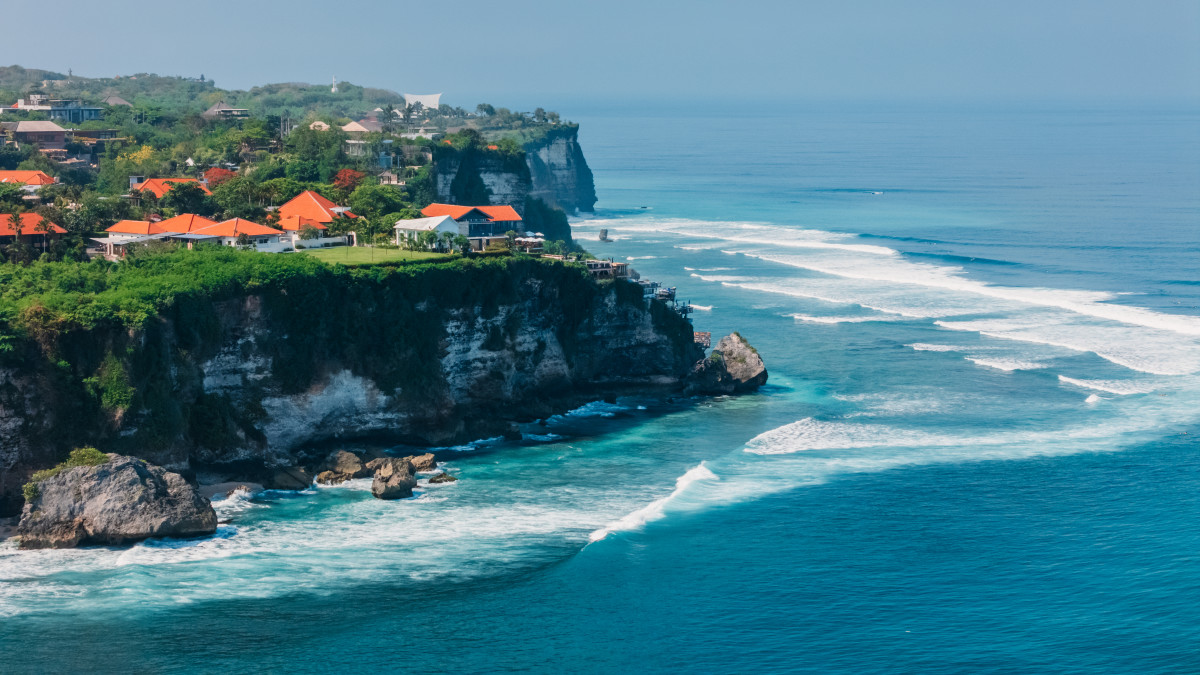
Indonesia is popular during northern hemisphere winter for an abundance of reasons: It's fairly easy to travel to, you can do it on the cheap, the weather will sweat you out of a rash guard and the waves are divine. Pull up a map of Indo, close your eyes and drop your finger wherever. Then go there. So long as it's facing out into the Indian Ocean, odds are you're going to get waves.
Shoulder season (that's the time between the swell and "off-season") still has plenty to offer, with consistent, fun waves. Several spots soak up the ocean energy and deliver a high five to the nearest reef, creating flawless waves that you'll spend the next week, month or year dreaming about. It can easily become an addiction, or a tradition, one that will lure you back time and time again. Few countries will leave you grinning under a baking sun like the many corners of an Indonesian coastline. Is it Bintang time yet?
Related: Watch: 5 Surfers Lay Down Techno Tracks in Indonesia
Ireland: Join the Slab Tour
George Karbus Photography/Getty Images
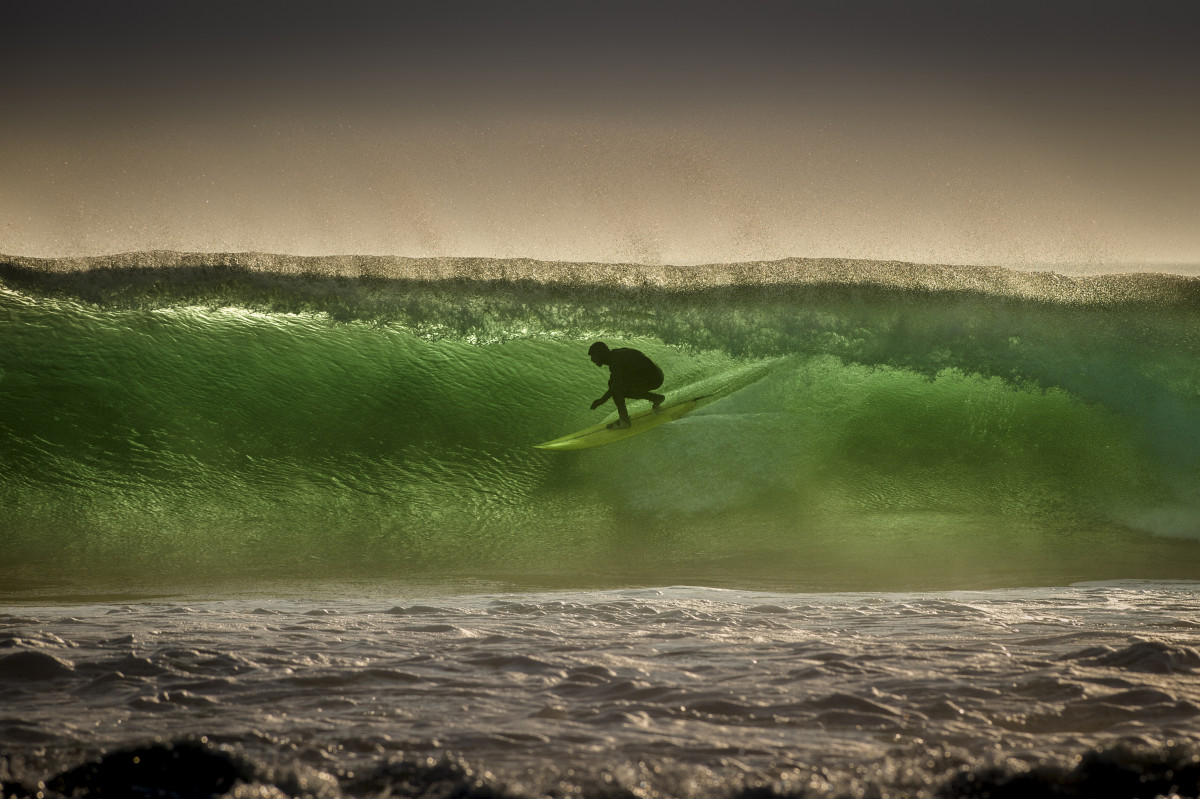
The Emerald Isle has been a cold-water draw for surfers for the better part of a generation. Dramatic 700-foot cliffs look out over some of the shallowest, slabbiest waves across this corner of Europe—there's a reason why some of the best heavy water surfers make Ireland their annual mission.
While the heavy waters of Ireland are most prominent in the surfing vernacular, there are quiet corners more suited to high-performance surfing, ones tucked away from the eyes of the traveling masses. You can spend months dialing in a spot in Ireland, hear about the next reef down that's having a ball and shift over for another few months of doing the same thing.
Compared to the other spots above on this list, Ireland is cold. You will need a 5mm wetsuit, sometimes even a 6mm. But all that cold melts away when you're in the water, watching some thick-lipped, cold bruiser detonate on rock just underfoot. Make it, and it's the wave of your life.
Want an added bonus? Guinness. It may be a cliché, but there must be hundreds of spicy surf tales made more grandiose thanks to surfers seeing the bottom of a pint of the black stuff.
Related: 7 of the World's Most Dangerous Waves (You Might Want To Keep Your Distance)
Nova Scotia: A Frozen Frontier
Mr. Funk Photo/Getty Images
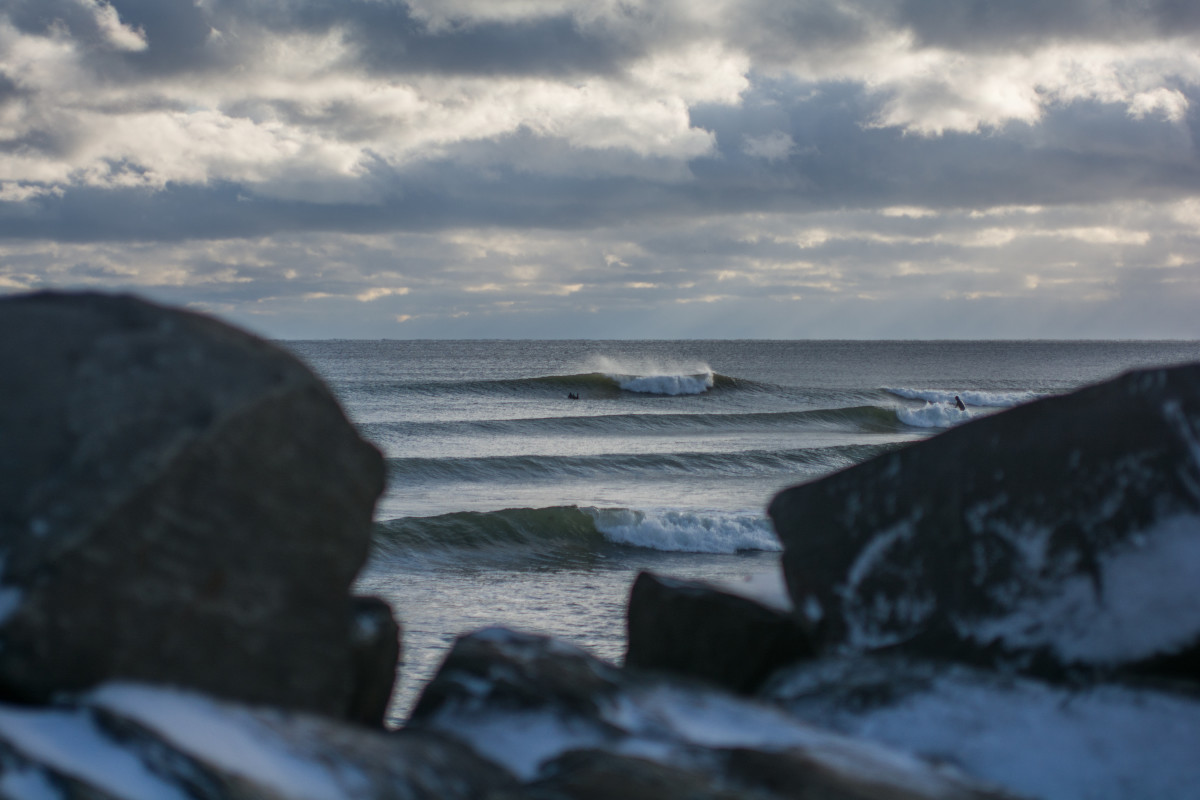
The North Atlantic coast of Canada is rugged, raw and filled with waves—just be prepared for Nova Scotia to be brutally, toe-curlingly cold with the water temperature just a smidge over freezing at 30–36°F.
Now, you're probably wondering, why would anyone want to go to such a cold surf destination when they could just go to Hawaii? And we wouldn't blame you for wondering—but there's something almost ethereal about surfing in Nova Scotia. There's a feeling of surfing along a frontier, with a surf community that's dedicated to chasing icy reef breaks. It's a hardy way to surf, and it's something different and special enough that we think it's worth experiencing.
If you can stomach the bite in the air, you'll enjoy smaller crowds in a gorgeous, sometimes other-worldly setting. Hawaii, it is not. But the reward factor can be just as great. As for the waves, take your pick with beach breaks and reeling left-hand points all in the mix.
Related: AXXE Classic: How A Family-Owned Japanese Factory Is Revolutionizing Wetsuits
Iceland: Black Sand and Glacial Lagoons
Elli Thor Magnusson/Getty Images
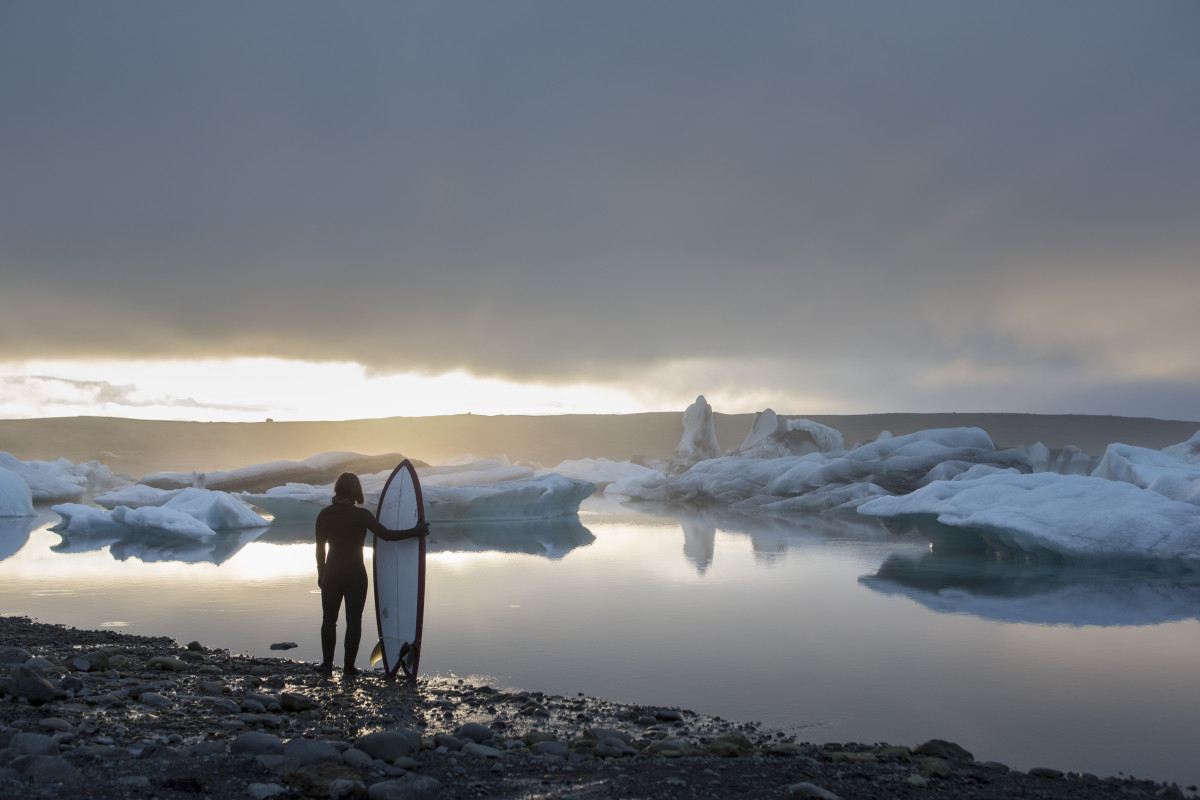
Want to get lost chasing waves across a frozen tundra? Iceland is the place to go. Fly into the capital city of Reykjavik, hire a car and trim across the south coast, which is open to those North Atlantic swells that spin off that coastline after a tirade on the East Coast of the U.S. If you don't stop on that coastal road, you will end up right back where you started, as Iceland's 820-mile ring road encompasses the whole island.
The water sits at an eye-watering 3°F, so bring your 7mm booties and a can-do attitude. Once you get into the more relaxed flow of Iceland, there are plenty of different types of waves on offer. And at least one floating luminous glacial lagoon called Jökulsárlón, which is a worthy detour if you're taking in the ring road. More famed for its black sand beaches and reeling left-hand points, Iceland can be a cut against the grain versus the average surf trip. It may not sit atop many bucket lists—but there are plenty of reasons why it should.
Related: Through The Land of Ice and Snow: Nic von Rupp and Albee Layer Score Frigid Surf in Iceland