
- Jason Lock
- •
- surfer.com
- •
- December 4, 2025
Winter doesn't begin on the same date for everyone. According to the astronomical calendar, the winter season starts around the winter solstice, usually December 21, when the Earth's northern hemisphere tilts away from the sun. According to the meteorological calendar, on the other hand, winter begins on December 1 and is defined by annual climate cycles—not by planetary movements.
Either way, December heralds the beginning of winter in the northern hemisphere—and with it, deeper pressure systems in the North Pacific and North Atlantic. For some, chasing winter waves and pulling on thicker wetsuits is just a way of life during the colder months. For others, winter is a time to start dreaming of a warm water retreat. Yes, the southern hemisphere is in summer mode, but there are still plenty of northern hemisphere opportunities to score.
Whatever you choose to do this winter, we've got you covered. Here are your best bets.
Hawaii: North Shore
petesphotography/Getty Images
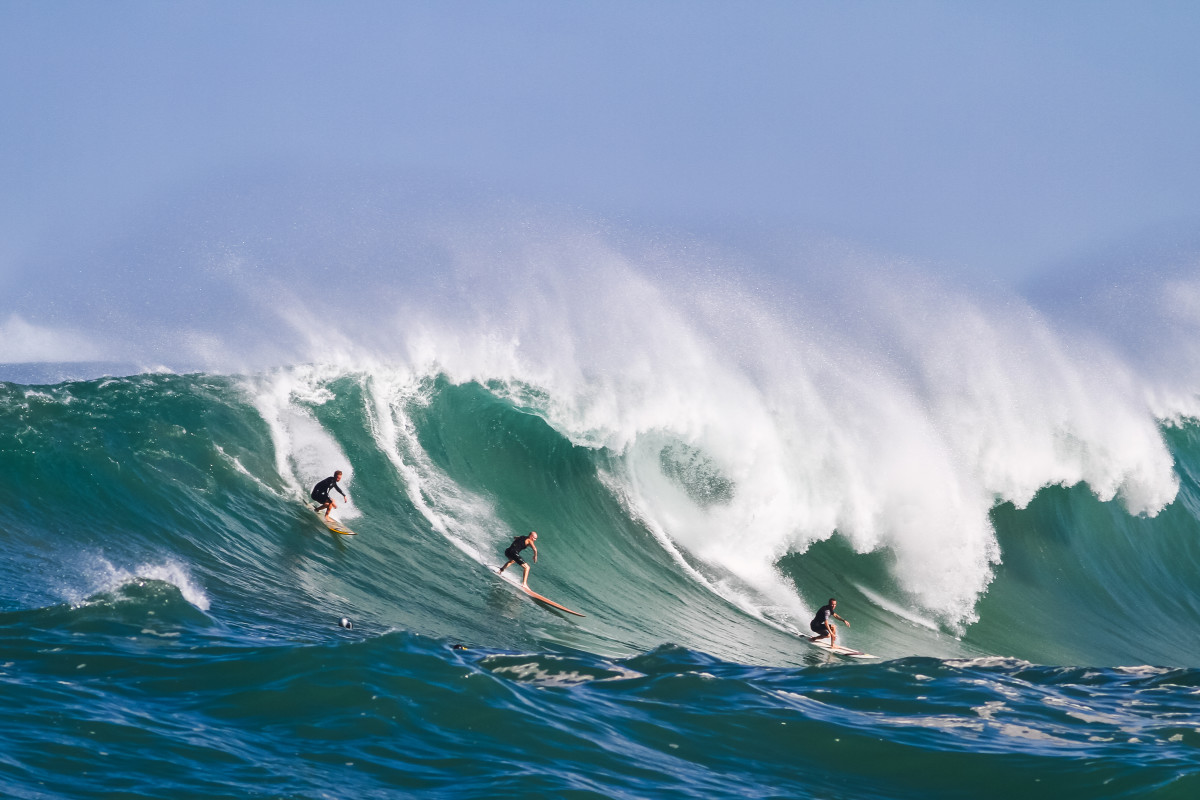
December and January are the most swell-consistent months to score along surfing's seven-mile miracle. Powerful North Pacific storms send consistent swells to the North Shore of Oahu, setting off everything along the Kamehameha Highway, including surfing's most famous wave: Pipeline.
The source of Pipeline's splendor is the refraction effect. Swells hit an outer reef that delivers a fantastic amount of energy into this surf zone. If you want to see Pipeline in all its glory, watch for northwest swells, which are optimal to refract off the reef. The North Shore faces the northwest, so when a swell comes from that direction, it lights up every spot along the coastline, including one of big wave surfing's favorite arenas at Waimea. December is when the North Shore is at its prime—and worth a visit to take it all in.
Related: Pipeline Swell Bender: “Best Waves in 10 Years” (Video)
Morocco: Taghazout
ianmcdonnell/Getty Images
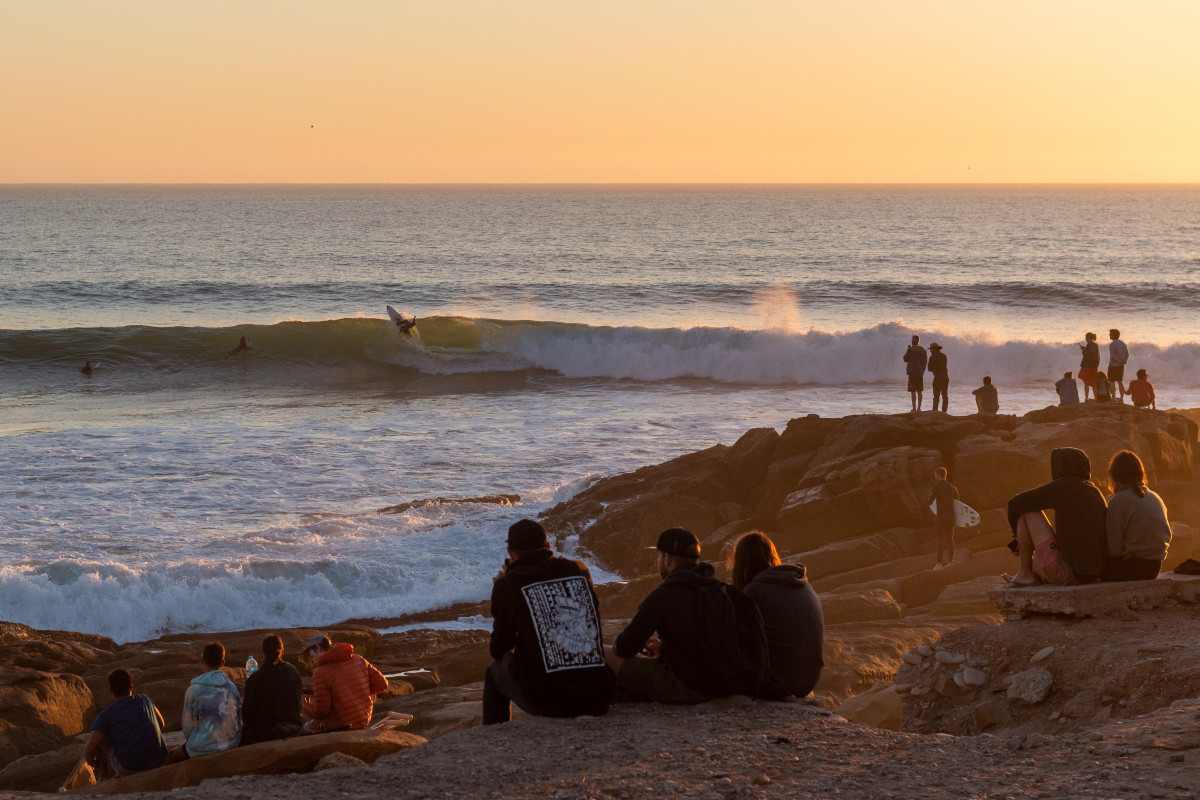
Morocco is the traveling surfer's dream. The region's historic role as an important trade route means that the country is a delightful smorgasbord of cultures—and you can feel that on the ground here as you mingle with surfers from all over the world.
Here you can find waves for any ability level, from rolling, lazy point breaks to shallow, slabby wedges—there's even a big wave out there that looks a lot like Cortes Bank. December is an excellent month to hop a flight to the kingdom of never-ending rights. The North Atlantic funnels swells into North Africa and sets off the likes of Anchor Point, Killers and the more beginner-friendly Panoramas. The water is still warm, too, around the 66°F mark. You'll need a wetsuit, sure, but you can also drive 20 to 30 minutes in any direction and find a new wave to explore.
Nazaré: Portugal
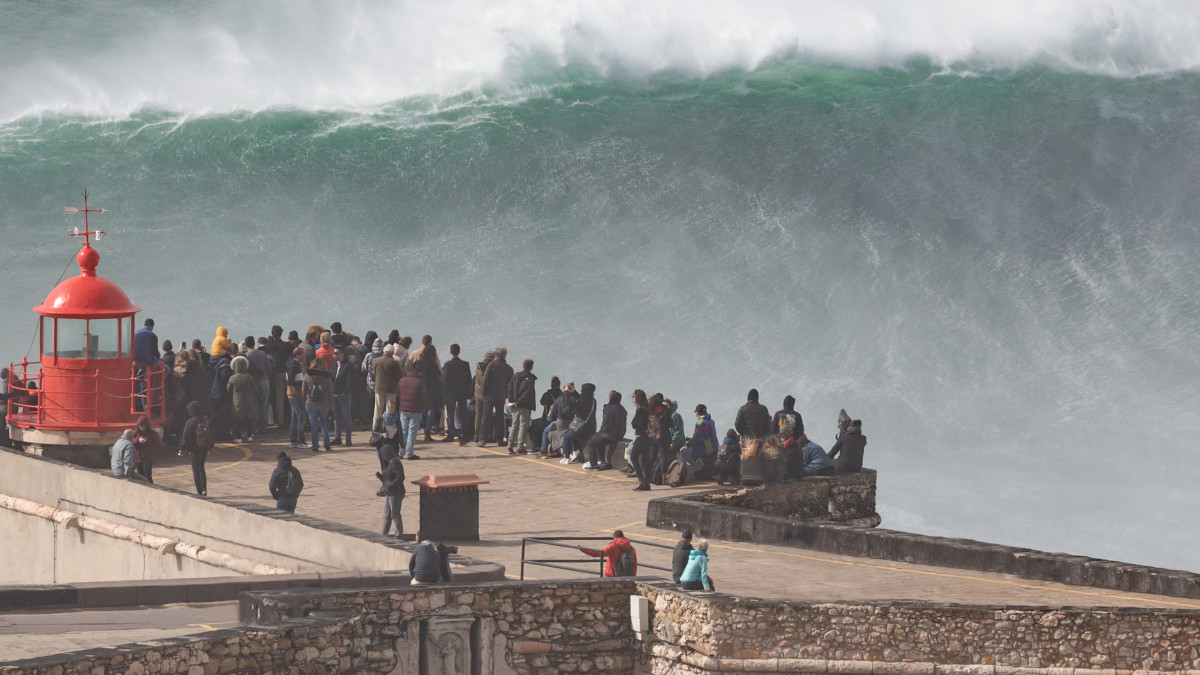
Home of the world's biggest wave, surfed by Sebastian Steudtner in 2024, Nazaré is a surfing experience like no other. Thundering 90-foot waves detonate right in front of you with so much force it feels like a mini-earthquake. Despite what you may hear, however, a 100-foot wave has never been surfed at Nazaré—at least not yet.
December is a great time to visit the little town with a surfing problem, as it becomes when those hyper-powerful swells really begin to assault the coastline. On a big day, more than 30,000 people can line the cliffs watching the chaos unfold out at sea. When those massive swells come down a lot, there's ample opportunity to surf, especially north of the joint's first peak.
Be wary of rips, which are hugely deceptive. Each year, unsuspecting tourists get washed from the shore out to sea, unaware of the sheer amount of water moving alongside the cliff. As for the wave at mere mortal sizes; imagine fellow Portuguese powerhouse Supertubos, but longer, drawn out and somewhat heavier if on the right section. It's that. When it gets to 70 feet and above though, it can be a towering A-frame on a north swell, or it can be a straight wall of water if the swell's more west. Bring a ski. And a safety strategy.
East Coast: United States
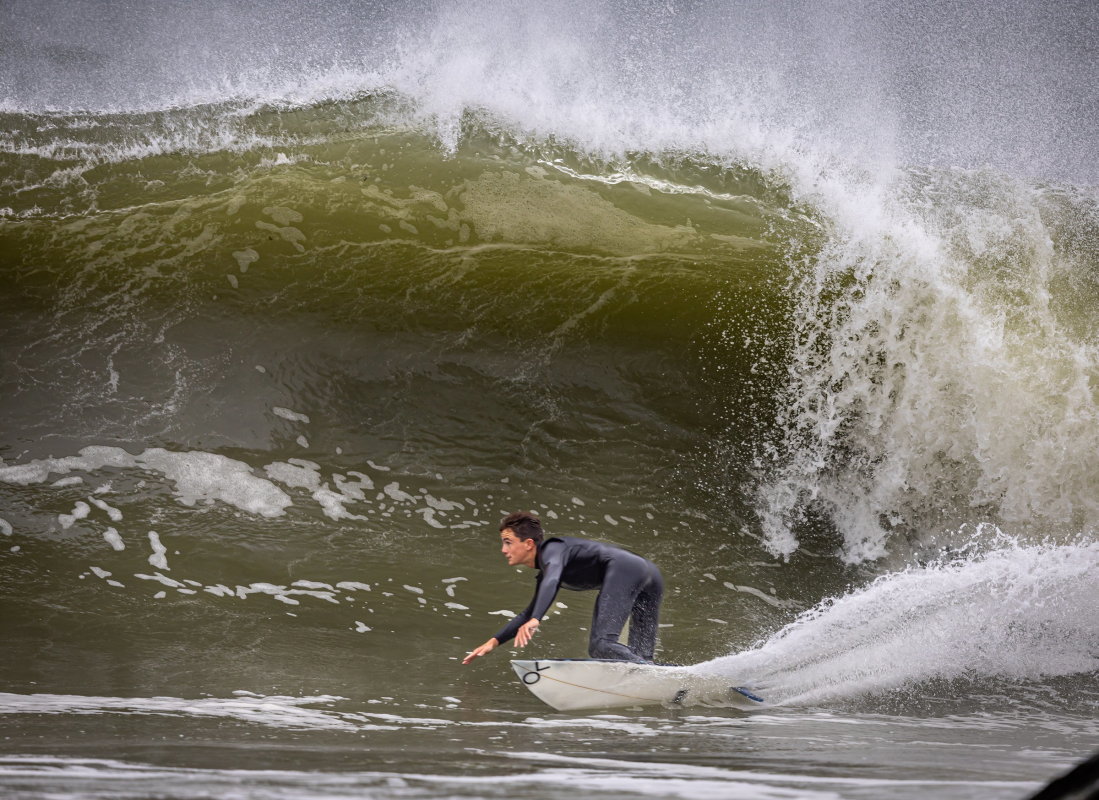
December is a transformative month for the East Coast of the United States. The beaches thin out as the temperature plummets. But with that comes swells. Just bring your thickest wetsuit and a die-hard, can-do attitude because the water off Cape Hatteras sits at about the 55°F mark.
In December, the Atlantic becomes highly active as cold-season low-pressure systems sweep in from the Gulf Stream and the North Atlantic, producing larger, long-period swells. In addition, winter storms help shape those glorious East Coast sandbars. If one spot's not looking right, or there's a prolific buildup of sand, a winter storm will shift this elsewhere and reset the surf zone into something magnificent. Keep an eye on the charts.
Sri Lanka: Southwest Coast
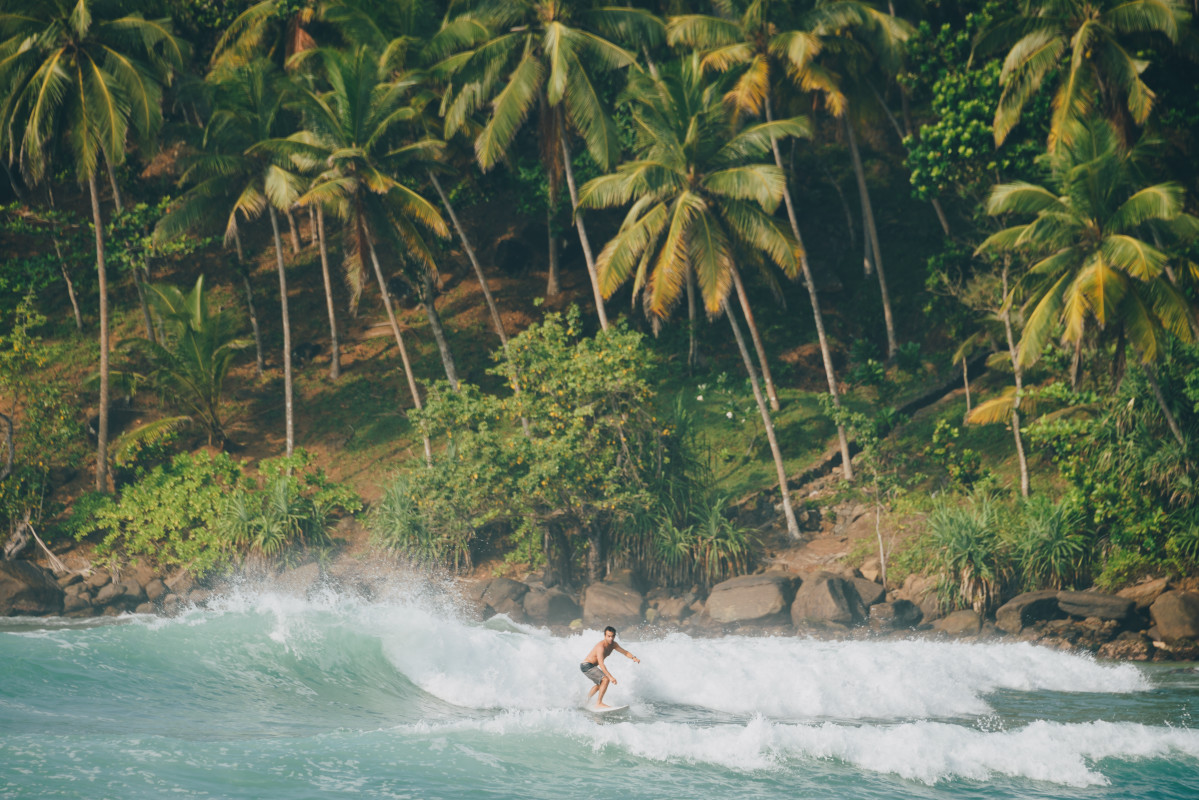
While all eyes are on the Pacific and Atlantic during the winter months, the world's third-largest ocean—the Indian Ocean—also comes alive.
The northern part of the Indian Ocean is a superb place to be during the northern hemisphere winter. Sri Lanka's southwest coast faces directly out into the Indian Ocean and is open to those prominent swells that set up the country's surf zones for days of waves. In December, the southwest coast is in full dry-season mode. Humid onshore winds disappear, replaced by regular morning offshore breezes that groom the waves into long, clean faces.
This reliability is a huge draw for traveling surfers. The Indian Ocean continues to produce southwest swells from distant storm systems near Madagascar and the Roaring Forties. These are not massive storm fronts like those in Hawaii or Portugal, but they do deliver fun-sized plus swells.
Related: These 9 Island Surf Destinations Are Totally Worth the Trip